
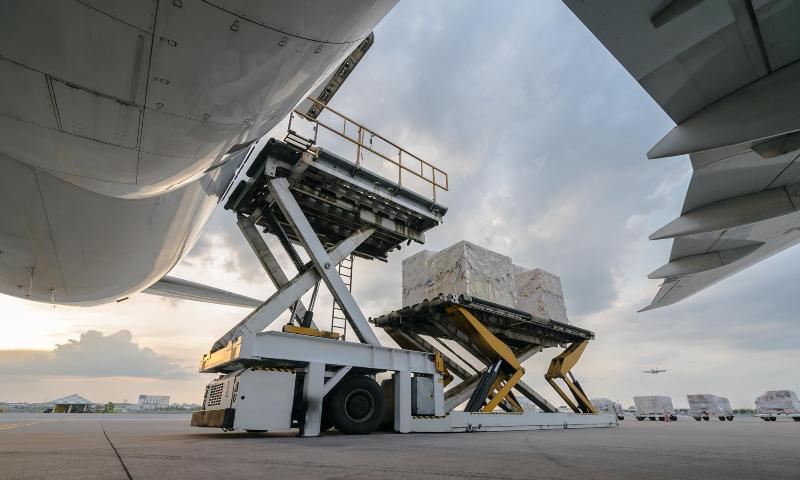
Global air cargo volumes declined by 9% in Week 22, signaling a slowdown in market momentum despite continued gains in freight rates across several major trade lanes.
Industry data showed that worldwide air cargo demand weakened compared with the previous week, reflecting softer shipment activity after recent periods of elevated demand. The decline comes amid ongoing uncertainty in global trade, shifting inventory strategies, and changing supply chain dynamics that continue to influence cargo flows.
Despite the drop in volumes, air freight rates remained resilient and posted gains across key markets. Analysts attributed the strength in pricing to capacity constraints on selected routes, higher operating costs, and continued demand for time-sensitive shipments. The divergence between falling volumes and rising rates highlights the complex conditions currently shaping the air cargo sector.
Several regions experienced lower cargo throughput during the week, with fluctuations in e-commerce shipments, manufacturing output, and export orders contributing to the overall decline. Market participants also pointed to seasonal factors and changing trade patterns as influencing demand levels.
Airlines and freight forwarders are closely monitoring developments in global supply chains, particularly as geopolitical tensions and economic uncertainties continue to affect international trade. Capacity management and network adjustments remain key priorities for carriers seeking to maintain profitability in a volatile operating environment.
Industry observers note that while week-to-week fluctuations are common in the air cargo market, the latest decline underscores the challenges facing the sector as it navigates a softer demand environment. However, sustained rate strength suggests that underlying market fundamentals remain relatively supportive, especially on routes where available cargo capacity remains tight.
Looking ahead, stakeholders expect air cargo demand to be influenced by peak-season preparations, inventory replenishment cycles, e-commerce activity, and broader global economic conditions. The sector will continue to watch whether freight volumes recover in the coming weeks or if the recent slowdown signals a more prolonged moderation in demand.