
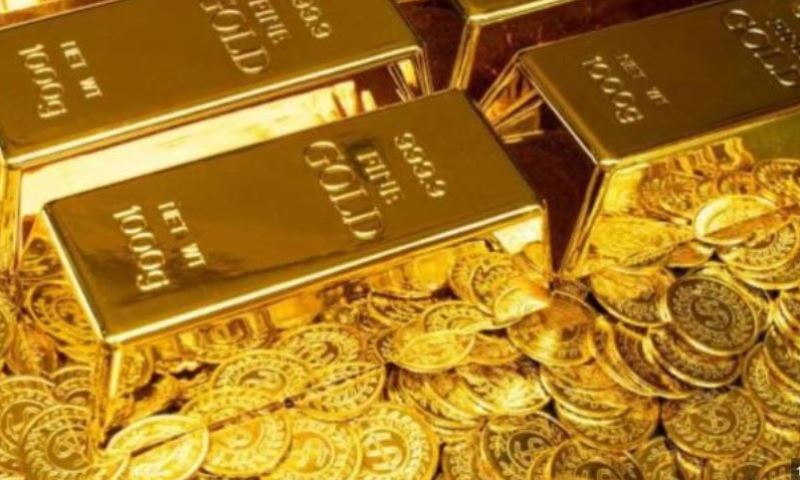
India’s gold imports in April have fallen to their lowest level in nearly 30 years, reflecting subdued demand, elevated domestic prices and cautious purchasing by consumers and jewellers. The sharp decline marks a significant shift in one of the world’s largest gold-consuming markets, where imports typically respond strongly to price movements and seasonal buying trends.
Market participants said record-high international gold prices, combined with a weaker rupee and domestic premiums, have reduced buying interest across both retail and wholesale segments. Consumers have delayed discretionary purchases, while jewellers have adopted a conservative stocking strategy amid uncertain demand conditions.
April is usually a key month for bullion demand as traders prepare for weddings, festivals and seasonal jewellery sales. However, high price volatility and affordability concerns appear to have dampened sentiment, leading to lower shipment volumes.
The drop in imports may help narrow India’s trade deficit in the short term, as gold is traditionally one of the country’s largest non-oil import categories. Lower bullion purchases can reduce pressure on foreign exchange outflows, though the impact may depend on trends in crude oil and other major imports.
Analysts noted that demand could recover later in the year if prices stabilize or correct, especially during the festive season when jewellery purchases typically rise. Rural income trends, monsoon performance and broader consumer confidence will also influence future buying patterns.
Despite the temporary slowdown, India remains a structurally strong gold market driven by cultural demand, investment preferences and jewellery consumption. The April slump to a 30-year low highlights how sharply high prices can affect short-term import volumes.