
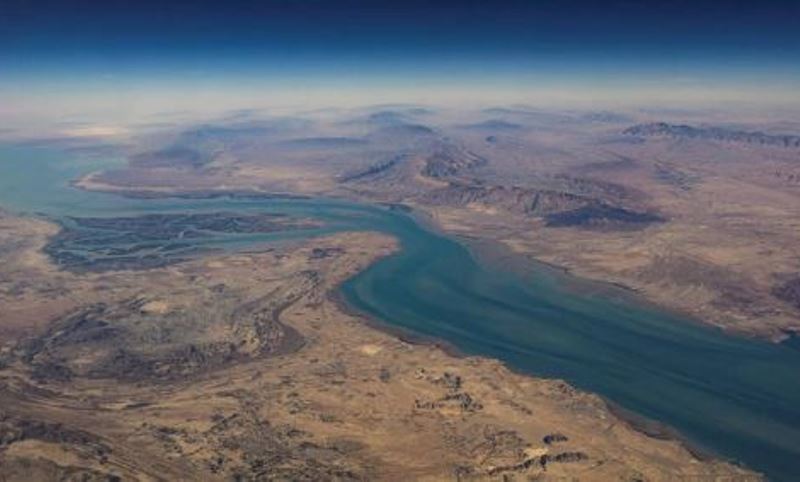
Iran’s newly established Persian Gulf Strait Authority (PGSA) has announced the creation of a “controlled maritime zone” covering key waters of the Strait of Hormuz, signalling a major escalation in Tehran’s efforts to regulate one of the world’s most strategically important shipping corridors.
In a statement posted on X on Wednesday, the authority said vessels transiting the Strait of Hormuz will now require “coordination and authorisation” before passage through the designated zone. The move comes amid heightened geopolitical tensions in the Gulf and ongoing negotiations involving Iran, the United States and regional actors over maritime security and ceasefire arrangements.
The PGSA defined the controlled maritime zone as stretching from the line connecting Kuh-e Mobarak in Iran to southern Fujairah in the United Arab Emirates on the eastern side of the strait, and from Qeshm Island in Iran to Umm Al Quwain in the UAE on the western side. The area effectively covers the critical chokepoint through which nearly a fifth of global oil trade normally passes.
The newly created authority was established earlier this month to oversee traffic management and maritime regulation in and around the Strait of Hormuz. According to reports, the authority has increasingly asserted operational oversight over vessel movements, including inspections, vetting procedures and transit permissions.
Shipping industry observers say the announcement could have significant implications for global energy markets, tanker operators, insurers and container shipping lines already facing disruptions due to regional instability. Several reports indicate that commercial traffic through Hormuz has slowed sharply in recent weeks as shipowners assess security risks and await clearer transit protocols.
Iran has argued that the new measures are intended to ensure maritime security and safe navigation in the region. However, critics and Western officials view the move as an attempt by Tehran to consolidate de facto control over the strategic waterway, raising concerns over freedom of navigation under international maritime law.
The Strait of Hormuz remains a critical global trade artery linking Gulf oil producers with international markets. The latest development has renewed fears of prolonged supply chain disruptions, higher freight costs and volatility in crude oil prices if transit restrictions intensify further.