
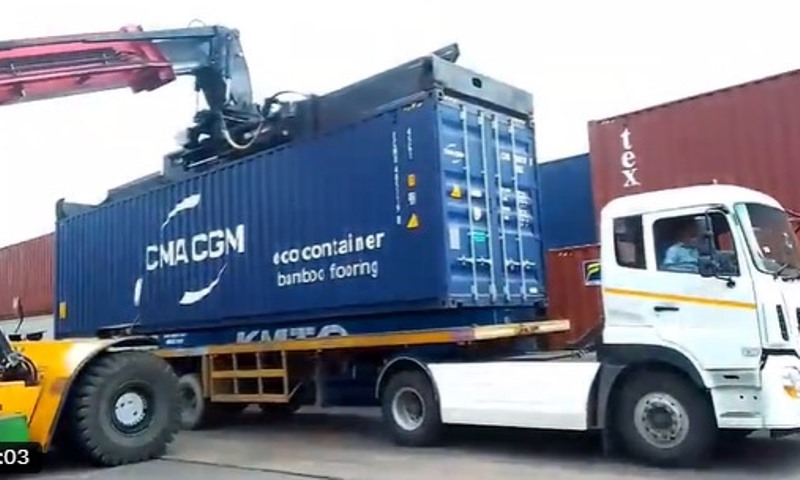
CMA CGM has announced the introduction of a significant emergency conflict surcharge on selected trade lanes, citing escalating geopolitical tensions in the Middle East and the resulting operational risks.
The French container shipping major said the surcharge — which can run into several thousand dollars per container depending on route and cargo type — is intended to offset higher insurance premiums, security-related expenses and longer transit times triggered by instability in the region.
Shipping lines operating through or near the Red Sea and Gulf corridors have been facing mounting challenges, including rerouted voyages, increased fuel consumption and tighter security protocols. Industry sources noted that insurers have raised war risk premiums for vessels transiting sensitive zones, significantly increasing operating costs.
CMA CGM stated that the emergency surcharge would apply to cargo moving on impacted services and would be reviewed in line with evolving conditions. The company emphasised that the measure is temporary and reflects extraordinary circumstances beyond carrier control.
Freight forwarders said the additional levy could further inflate container shipping costs at a time when global supply chains are already grappling with volatility. Importers and exporters reliant on Middle East-linked trade routes may see higher landed costs and potential delays in delivery schedules.
Analysts observe that surcharges tied to geopolitical risk have become more common during periods of instability, as carriers seek to protect margins against unpredictable operating environments. Other major shipping lines are also understood to be evaluating similar measures.
While no timeline has been given for the surcharge’s withdrawal, industry participants expect it to remain in place as long as tensions continue to affect maritime safety and routing decisions across key Middle Eastern corridors.