
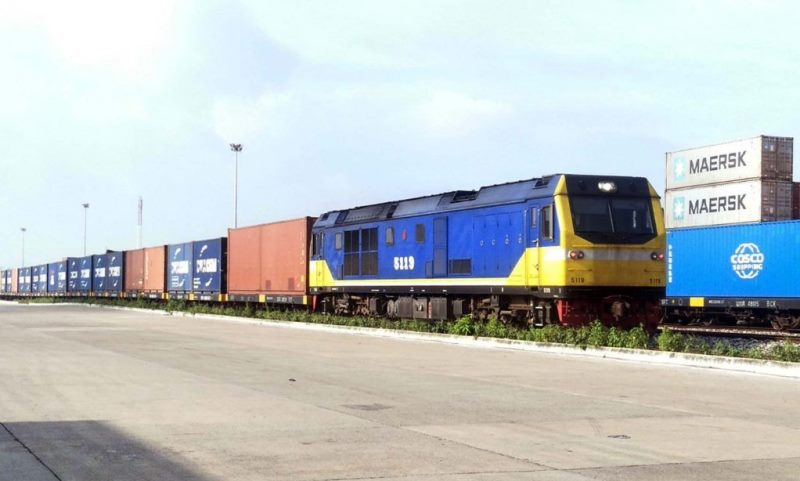
A parliamentary committee has warned that India’s vision of fully electrified Dedicated Freight Corridors (DFCs) with exclusive high-capacity tracks could face serious setbacks unless operational bottlenecks—especially crew shortages—are addressed urgently.
The warning comes after the Ministry of Railways admitted that the “biggest challenge” faced by the Dedicated Freight Corridor Corporation of India Ltd (DFCCIL) in running trains is the non-availability of crew. As of June 1, 2025, Indian Railways has a significant shortfall across key operational categories. Against a sanctioned strength of 1,42,814 loco pilots, only 1,07,928 are in position, while just 12,345 goods train managers are working against 22,082 sanctioned posts. Overall, only 1,59,219 employees are in place against a sanctioned strength of 2,06,495.
In its Sixth Report for 2025-26 on increasing freight-related earnings, the Standing Committee on Railways stressed that crew shortages must be resolved to minimise delays, improve throughput and ensure uninterrupted freight movement on the DFC network.
The committee noted that freight contributes about 65% of Indian Railways’ total earnings and helps keep passenger fares affordable. It also flagged structural constraints such as poor first- and last-mile connectivity and high short-haul costs, recommending freight rate rationalisation, faster infrastructure upgrades, higher freight speeds and greater private sector participation in wagon ownership to boost rail freight competitiveness.