
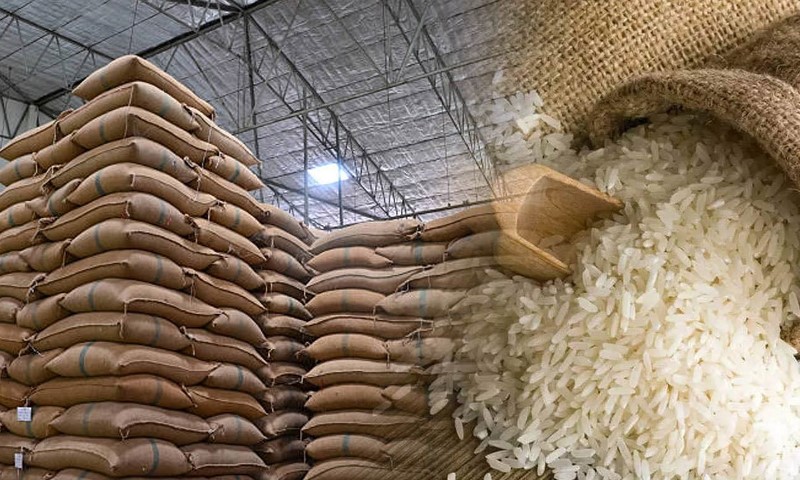
Two leading exporters’ associations have called on the Government of India to establish a dedicated governing board for the country’s Basmati rice sector, citing the need for focused policy support, quality regulation, and stronger global market positioning.
In a joint representation submitted to the Commerce Ministry, the associations argued that Basmati rice — a premium agricultural export product — requires an independent regulatory and promotional body to address sector-specific challenges. They emphasized that a standalone board could streamline export procedures, enhance traceability mechanisms, and ensure uniform quality standards across producing states.
Currently, Basmati exports are regulated under broader agricultural and export frameworks , including oversight by the Agricultural and Processed Food Products Export Development Authority. Exporters contend that while existing mechanisms have supported growth, a specialized board would enable more targeted decision-making and faster response to international trade issues.
India remains the world’s largest exporter of Basmati rice, with key markets spanning the Middle East, Europe, and North America. However, exporters say the sector faces increasing pressure from stringent residue norms, fluctuating freight rates, and competition from Pakistan and other origins.
The proposed board, according to the associations, would focus on policy advocacy, branding and promotion, dispute resolution, research and development, and coordination among stakeholders including farmers, millers, and exporters. They also suggested that the body could play a crucial role in protecting the Geographical Indication (GI) status of Indian Basmati rice in international markets.
Industry representatives believe that with global demand for premium rice varieties on the rise, a dedicated Basmati board could help enhance India’s value realization and sustain long-term export growth.
Officials from the Commerce Ministry have yet to issue a formal response to the proposal.