
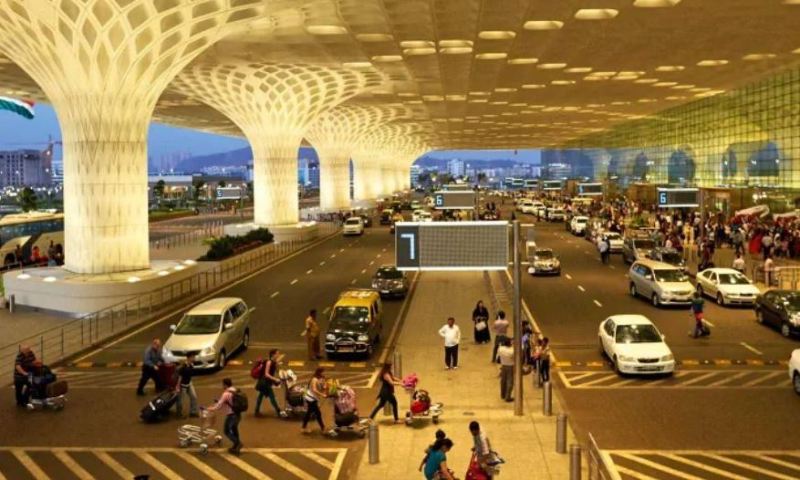
Mumbai International Airport (MIAL) has announced a suspension of freighter operations from 16 August for major infrastructure upgrades.
MIAL, managed by Adani Group, is India’s second-busiest air cargo gateway, with 2024 volumes up 17% year on year, according to data. It is said to have a network of some 24 airlines using freighters.
“We need to carry out multiple works on airside, including building a new taxiway to enhance the capacity of the runway and bring efficiency in operations,” the airport authority said.
“The airport, therefore, has no option left but to temporarily shut down part of the cargo facilities.”
The move comes as Adani lays the groundwork for flight operations out of its new Navi Mumbai International Airport (NMIA) and is widely believed to be an indication of Adani’s strategic desire to concentrate all cargo operations at the new location, thus freeing up capacity at the congested MIAL for more passenger services.
MIAL says it plans to invest some $1.2bn on infrastructure enhancements, including building a new dedicated domestic terminal.
Mumbai has been a focal point for India’s rapidly growing pharmaceutical goods exports, and sources claim the impending disruption could severely impact that industry amid the (US) tariff buzz building around all verticals. Additionally, given the temperature-sensitive nature of such cargo, even brief delays or disruptions have the potential to cause significant supply chain consequences for exporters, they believe.
According to them, cold chain infrastructure development at NMIA is unlikely to be ready in tandem with the launch of passenger flight operations, targeted for June.
Satish Lakkaraju, CEO at Hyderabad-based Garuda Vega Logistics, said Mumbai Airport traditionally held considerable significance for pharmaceutical and other perishables trade.
“As the single largest hub for outbound pharmaceutical shipments, Mumbai handles over 50% of the country’s exports in this category,” Mr Lakkaraju said.
“In a tightly interconnected global market, Mumbai’s role is indispensable and any shutdown at this gateway has immediate and widespread repercussions,” he added.
Vineet Malhotra, co-founder and director at Mumbai-based Kale Logistics Solutions, however, believes NMIA, being equipped with 10 freighter stands and a fully automated terminal, is poised to emerge as a key air cargo hub for the entire western Indian corridor.
“This strategy will help reduce the space crunch in Mumbai,” Mr Malhotra said. “With Pune and Mumbai housing some of the top pharmaceutical companies, NMIA will be a boon for the region.”
NMIA undoubtedly presents some distinct cargo advantages, given its proximity to the Nhava Sheva seaport and diversified logistics service clusters in the region. Nhava Sheva port accounts for the lion’s share of India’s containerised trade.
The new site has been designed with a large integrated air cargo terminal featuring some 360,000 sq ft for domestic and some 255,000 sq ft for international cargo. Current estimates are that it could handle 800,000 tonnes in the first phase of operations.