
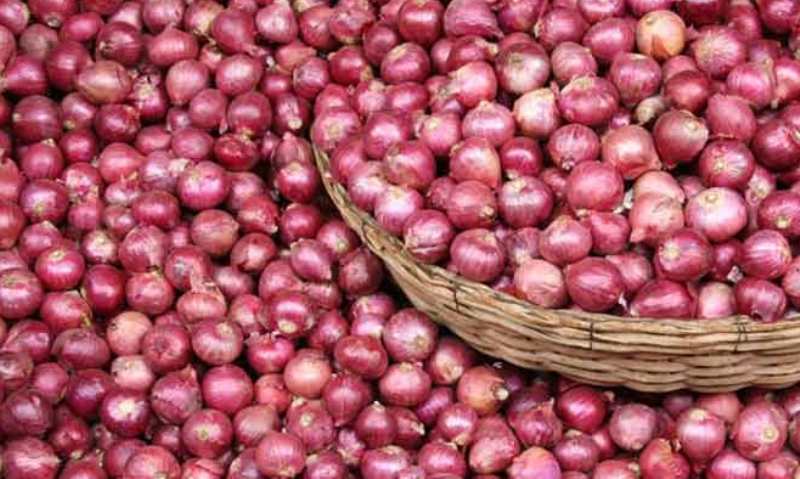
India’s onion exports to key Gulf markets have dropped by nearly 45% in recent months, as a sharp rise in ocean freight rates and logistics costs erodes trade margins for exporters.
Industry sources said shipments to major destinations such as the United Arab Emirates, Saudi Arabia, and Qatar have slowed significantly, with exporters either scaling back volumes or temporarily halting contracts. The Gulf region has traditionally been one of the largest importers of Indian onions, relying heavily on steady supplies.
Exporters point to elevated container freight rates, higher bunker fuel costs, and limited vessel availability as key factors behind the decline. The longer transit times and increased handling charges have further added to overall shipment expenses, making Indian onions less competitive compared to supplies from alternative origins.
Traders also noted that fluctuations in domestic onion prices, coupled with tightening margins, have compounded the impact of rising logistics costs. Smaller exporters, in particular, are finding it difficult to absorb the additional expenses without passing them on to buyers, which has reduced demand.
Despite the current slowdown, market participants remain cautiously optimistic about a recovery if freight rates stabilize and supply chain conditions improve. Industry bodies have urged the government to explore measures such as freight subsidies or logistical support to help exporters remain competitive in key overseas markets.