
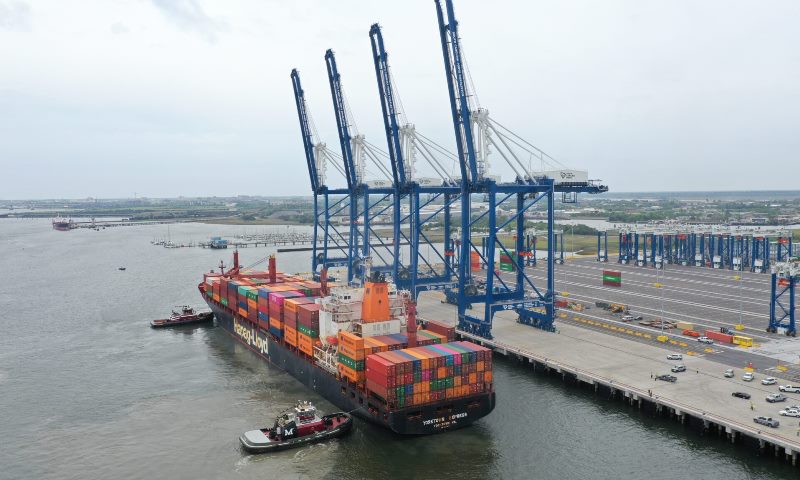
India’s seaports are recording improved cargo flows and operational efficiencies as the government and private sector step up investments in port infrastructure and digital technology, according to a new industry report.
The Journal of Commerce says New Delhi’s strategy to modernize freight infrastructure through enhanced public-private partnerships, coupled with a push toward digital logistics solutions and regulatory reforms, is yielding measurable results in throughput and trade facilitation.
Industry observers point to a range of factors driving the uptick in port activity: expanded terminal capacity, automated cargo handling systems, and streamlined processes that reduce paperwork and vessel turnaround times. These improvements aim to make Indian ports more competitive with regional hubs and better aligned with global supply-chain expectations.
Analysts note that the integration of technological tools — from online port community systems to advanced tracking and monitoring platforms — has helped accelerate cargo movement and improve transparency across key gateways. This digital push supports broader logistics reforms designed to cut costs and enhance efficiency for importers and exporters.
In fiscal terms, statistics from the broader ports sector underscore the momentum, with major ports handling significantly more cargo year-on-year and productivity indicators such as berth output and average vessel turnaround improving consistently.
Government officials and private partners say continued investment, particularly in deep-sea terminals and hinterland connectivity, remains crucial for sustaining growth and capturing a greater share of international maritime trade.