
Logistics constraints continue to be a major hurdle in attracting investments and establishing rubber-based industries in Tripura, a senior official said on Sunday.
Despite being the second-highest natural rubber-producing state in India, Tripura’s industrial potential in the rubber sector remains largely untapped due to infrastructural bottlenecks and poor connectivity with key markets.
“Transportation costs and inadequate logistics infrastructure have been the primary challenges in setting up rubber-based industrial units in Tripura. Although we have abundant raw materials, the high cost of moving finished goods to other parts of the country limits industrial viability,” the official explained.
At present, only one rubber thread manufacturing unit is operational at the Bodhjungnagar Industrial Area in West Tripura district. The state government, however, has been making efforts to attract more investment by offering incentives, improving connectivity, and collaborating with the Tripura Industrial Development Corporation (TIDC) and the Rubber Board to develop industrial infrastructure.
Officials say that the proximity to Bangladesh and upcoming connectivity projects, such as the Agartala-Akhaura railway link and improved access to Chittagong Port, could open new avenues for exports and logistics efficiency.
“Once the new transport links are fully operational, Tripura could emerge as a major hub for rubber-based industries in the Northeast,” the official added.
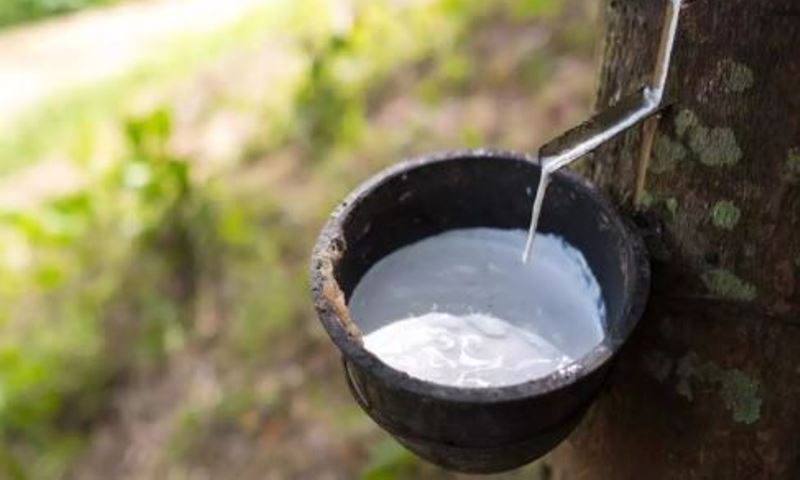
The state produces over 70,000 tonnes of natural rubber annually, providing livelihood to thousands of small growers. However, the lack of adequate processing and manufacturing units within the state forces most of the raw rubber to be sent outside for value addition.
Industry experts suggest that with better logistics, Tripura can significantly boost its share in the country’s rubber value chain and create employment opportunities in manufacturing and allied sectors.