
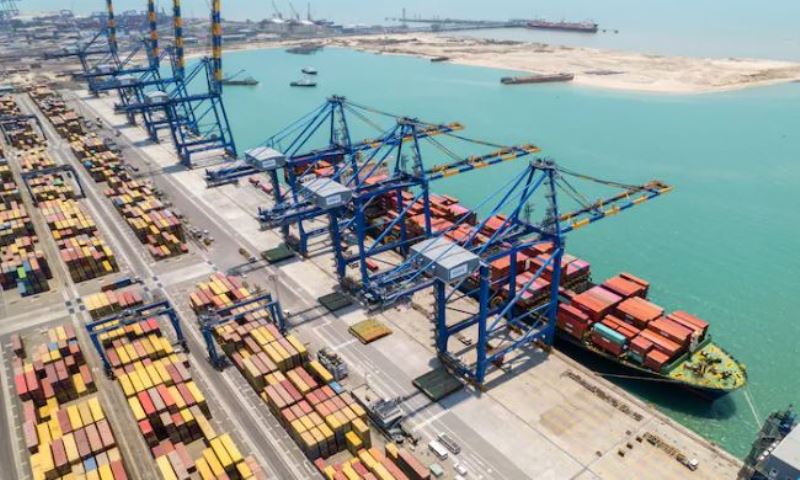
Morocco’s port sector is emerging as a key enabler of clean shipping and green trade as the country positions itself at the centre of the global hydrogen economy, supported by strategic investments, policy backing and growing international interest.
Major ports such as Tangier Med, Casablanca and Jorf Lasfar are being aligned with Morocco’s ambitions to become a leading producer and exporter of green hydrogen and its derivatives, including green ammonia and methanol. These fuels are increasingly viewed as critical to decarbonising maritime transport and reducing emissions across global supply chains.
Port authorities and government agencies are working to develop dedicated infrastructure for handling green fuels, including storage, bunkering facilities and export terminals. Industry officials say early planning is aimed at ensuring Moroccan ports can support future demand from shipping lines transitioning to low- and zero-carbon vessels.
Morocco’s strong renewable energy base—driven by large-scale solar and wind projects—gives it a competitive advantage in producing cost-effective green hydrogen. Proximity to Europe and major transhipment routes further strengthens the role of its ports as gateways for clean energy exports and green maritime corridors.
Shipping companies, energy firms and global traders are increasingly engaging with Moroccan partners to explore long-term offtake agreements and pilot projects. Analysts note that ports will play a central role in integrating hydrogen production with international trade flows, from fuel supply for vessels to exports of green energy products.
As global regulations on maritime emissions tighten, Morocco’s port-led hydrogen strategy is expected to enhance the country’s relevance in clean shipping while supporting sustainable trade growth. Industry experts believe timely execution and coordinated investment across ports, energy producers and logistics players will be crucial to translating ambition into long-term competitiveness.