
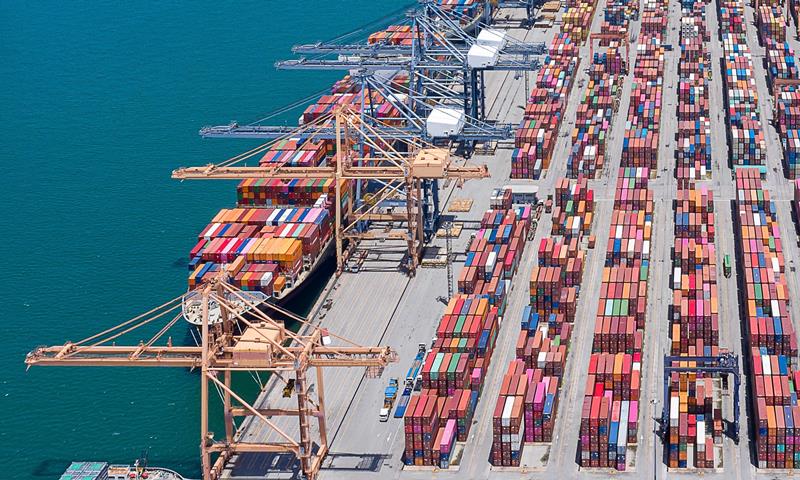
The Port of Tokyo has introduced an initiative to encourage off-peak container movements as part of its efforts to improve logistics efficiency, reduce congestion, and strengthen the resilience of its cargo operations. By promoting the movement of containers during less busy periods, the port aims to optimise terminal capacity and streamline the flow of goods.
The initiative encourages shipping lines, terminal operators, trucking companies, and cargo owners to shift container pickups and deliveries to off-peak hours, helping to ease pressure during peak operating periods. The approach is expected to improve truck turnaround times, reduce waiting periods at terminals, and enhance overall supply chain performance.
In addition to improving operational efficiency, the strategy supports environmental sustainability by reducing vehicle idling, lowering fuel consumption, and cutting greenhouse gas emissions associated with congestion. The initiative also aligns with broader efforts to modernise port logistics through digital coordination and smarter cargo management practices.
As cargo volumes continue to grow, the Port of Tokyo is focusing on collaborative solutions that maximise existing infrastructure while improving service reliability. Industry stakeholders believe the off-peak cargo initiative will enhance the port’s competitiveness, support smoother trade flows, and contribute to a more efficient and sustainable logistics ecosystem.