
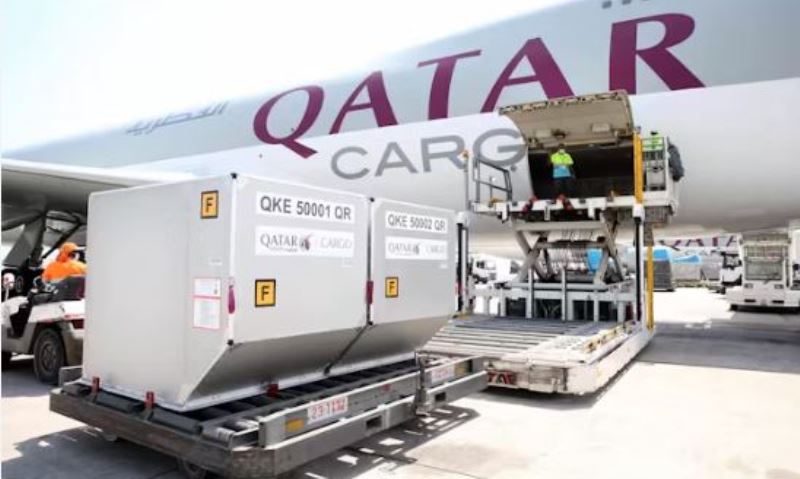
Qatar Airways Cargo has maintained its leadership position in the global air freight market despite a decline in cargo volumes, reflecting the carrier’s strong international network and continued focus on premium cargo services.
The airline reported softer shipment volumes amid moderating global trade demand and evolving market conditions across key cargo corridors. However, the company continued to benefit from its extensive route network, modern freighter fleet and strategic hub operations in Doha.
Industry observers said Qatar Airways Cargo has remained resilient by focusing on high-yield segments such as pharmaceuticals, perishables, e-commerce and specialized freight. The carrier has also continued investing in digitalization, cold-chain logistics and operational efficiency to strengthen its competitive position.
The broader air cargo market has experienced fluctuations in demand due to shifting inventory cycles, economic uncertainty and changes in consumer spending patterns after the post-pandemic freight boom. Despite these pressures, major global carriers have continued adjusting capacity and network strategies to protect profitability.
Qatar Airways Cargo stated that maintaining service reliability, expanding customer-focused logistics solutions and strengthening global partnerships remain key priorities as the company navigates a more challenging freight environment. Analysts expect competition among leading cargo airlines to remain intense as operators adapt to slower volume growth and higher operating costs.