
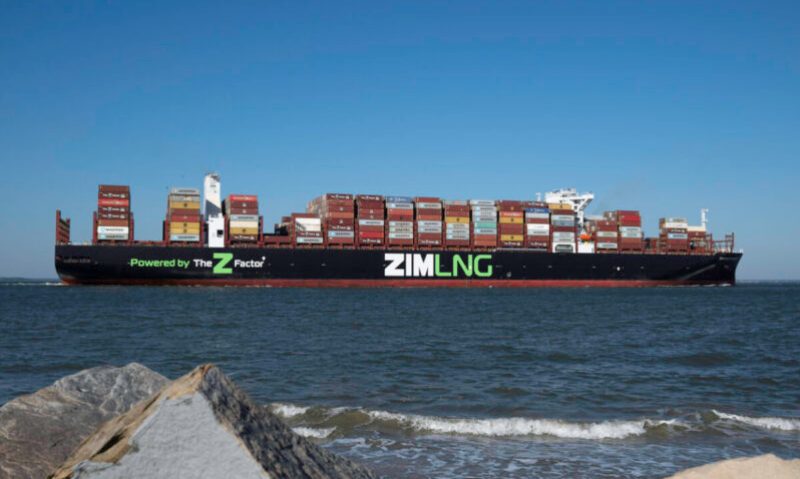
Concerns over national security implications have surfaced in Israel following discussions around a potential sale of ZIM Integrated Shipping Services to foreign investors.
A former senior Israeli security official has cautioned against allowing foreign ownership of the country’s flagship container carrier, citing strategic risks tied to control over critical maritime logistics and supply chains. The warning highlights the broader sensitivity surrounding ownership of key infrastructure assets.
ZIM plays a significant role in Israel’s trade connectivity, handling a substantial share of the nation’s containerised cargo. Experts note that any shift in ownership could have implications for operational control, data security, and access to vital shipping networks during times of geopolitical tension.
While no formal agreement has been announced, reports of potential foreign interest have sparked debate among policymakers and industry stakeholders. Proponents of a sale argue that foreign investment could bring in capital, improve competitiveness, and support fleet modernisation.
However, critics stress the need for safeguards to ensure that national interests are protected, particularly given the strategic importance of shipping and logistics in global trade.
The development underscores the growing intersection of commerce and security in the maritime sector, as governments worldwide take a closer look at foreign investments in critical infrastructure.