
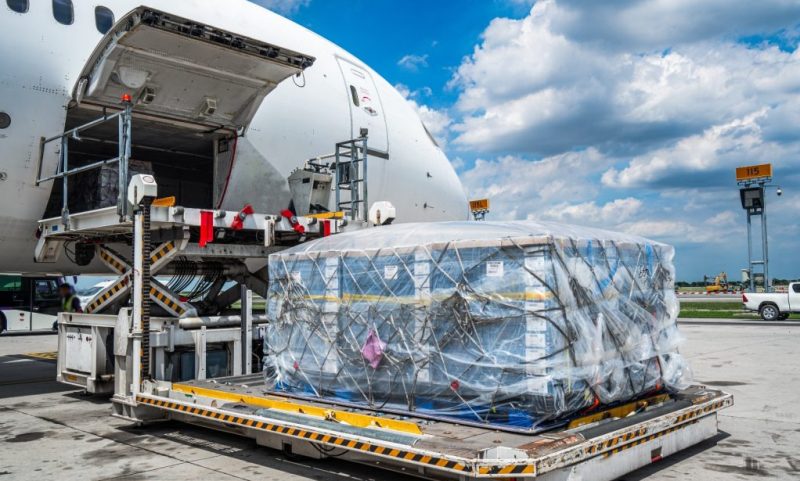
US freight forwarders are facing declining shipment volumes and rising operational complexity as shifting tariff policies continue to reshape trade flows, industry sources said.
Forwarders noted that frequent changes in tariff rates, exemptions, and compliance requirements have increased the administrative burden on logistics providers and their customers. The uncertainty has led some shippers to delay or reroute shipments, contributing to softer volumes across key trade lanes.
Industry executives said the complex tariff environment has also driven higher costs, as forwarders invest more resources in customs compliance, documentation, and advisory services. Smaller players, in particular, are feeling the strain of managing evolving trade rules while maintaining service levels.
Despite the challenges, forwarders said demand for trade advisory and compliance-related services has increased, as shippers seek guidance on navigating tariffs and mitigating cost impacts.
Market participants said volume trends will likely remain uneven until greater clarity emerges on trade policy direction, keeping forwarders focused on flexibility and risk management.