
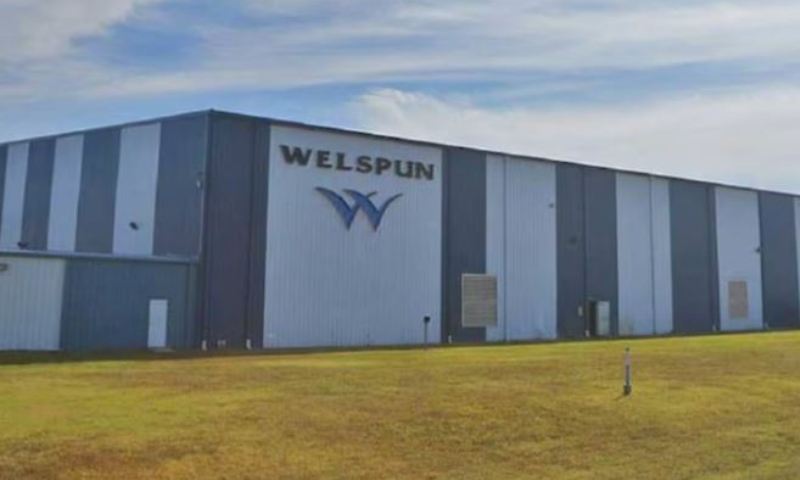
Welspun World has committed an investment of ₹300 crore towards Jharkhand’s plastic manufacturing sector and is exploring further opportunities in critical minerals and logistics, according to a statement from the state’s Information and Public Relations Department (IPRD).
The announcement followed a meeting between Welspun World founder and chairman B K Goenka and Jharkhand chief minister Hemant Soren on the sidelines of the World Economic Forum in Davos on Wednesday.
During the meeting, Soren presented details of the proposed plastic park at Deoghar, highlighting Jharkhand’s industrial infrastructure, policy incentives and ease-of-doing-business framework. Welspun World expressed keen interest in investing in PVC-based plastics manufacturing within the proposed industrial cluster.
The company also indicated interest in Jharkhand’s potential in critical minerals and logistics, sectors that are gaining importance amid India’s industrial expansion and energy-transition plans, the IPRD said.
In a separate engagement, the Jharkhand delegation met Yusuff Ali, founder and managing director of the Lulu Group, to explore potential collaborations in agriculture-based and forest-based products from the state. The proposed tie-up aims to improve access for Jharkhand’s products to national and international markets, generating direct economic benefits for farmers, women-led self-help groups and communities dependent on forest produce-based livelihoods.
The discussions at Davos underscore Jharkhand’s efforts to attract large-scale private investment and position itself as a key destination for manufacturing, resource-based industries and value-added agri-exports.