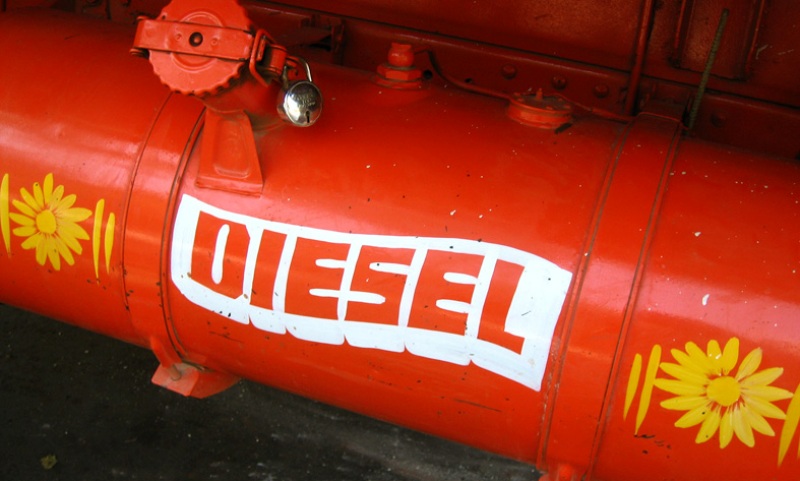
In a move to strengthen energy security and ensure a stable fuel supply during the peak travel season, the Bangladesh government has confirmed the import of an additional 17,000 metric tonnes of refined diesel from India this month.
The fuel is being transported via the India-Bangladesh Friendship Pipeline (IBFP), a 131.5-kilometer cross-border link that connects the Numaligarh Refinery in Assam to the Parbatipur depot in northern Bangladesh. This pipeline-based method significantly reduces transportation costs and carbon emissions compared to traditional rail-based transit.
Phased Delivery Schedule
According to officials from Meghna Petroleum Limited, the consignment will be delivered in three strategic phases to manage storage and distribution efficiently:
-
Phase 1: 5,000 metric tonnes are scheduled to be pumped on April 16, with an expected arrival time of 4–5 days.
-
Phase 2 & 3: The remaining 12,000 tonnes will be delivered in two subsequent batches of 7,000 and 5,000 tonnes, respectively, before the end of April.
This follows an earlier shipment of 8,000 tonnes that arrived at the Parbatipur depot last Friday, bringing the month’s total activity to a significant peak.
Strategic Importance for the Northern Districts
The timing of these imports is critical as the country manages increased demand for the Eid festival travel. By utilizing the Friendship Pipeline, the government is focusing on stabilizing the supply chain for the 16 northern districts, which rely heavily on this route for agriculture, transport, and power generation.
“We are maintaining sufficient stock and the supply chain is normal,” stated Kazi Md Rabiul Alam, Manager of Meghna Petroleum Limited. “There is no concern of a fuel crisis.”
Broader Energy Cooperation
This latest import is part of a long-term, 15-year agreement between the two nations. Amid global energy volatility caused by geopolitical tensions in West Asia, Bangladesh has increasingly leaned on regional cooperation. While Singapore and Malaysia remain major suppliers, India’s role as a direct energy partner continues to grow, with Dhaka recently proposing to import an additional 50,000 metric tonnes over the coming months to further bolster national reserves.
