
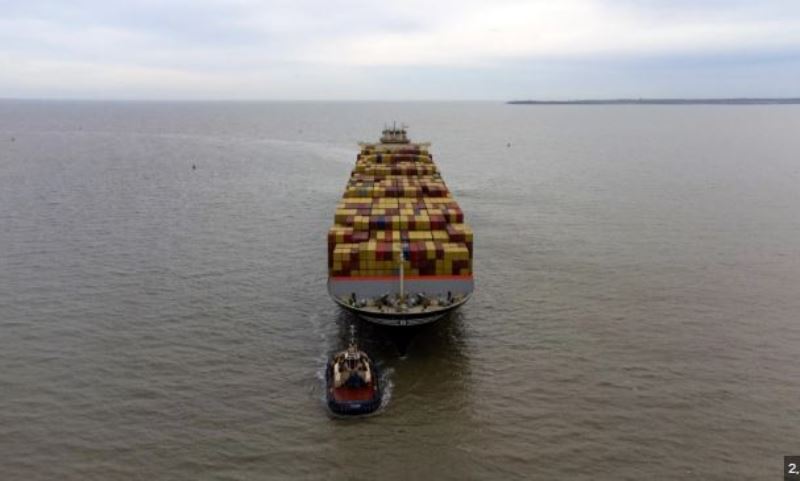
Freight rates across major global trade lanes have entered a fresh upward cycle as shipping demand strengthens and operational pressures continue to impact container availability and vessel capacity.
Industry analysts said transcontinental routes linking Asia with Europe, North America and parts of Latin America are witnessing renewed rate increases driven by peak season cargo movement, equipment imbalances and ongoing supply chain disruptions. Shipping lines have also introduced new peak season surcharges and general rate increases on several key corridors.
Market participants noted that congestion at major ports, longer transit times and rerouting around conflict-affected maritime regions have tightened effective vessel capacity, contributing to higher freight pricing. The continued diversion of ships away from the Red Sea and Suez Canal route has added sailing time and operational costs for carriers operating between Asia and Europe.
Exporters and importers across sectors including retail, electronics, automotive, chemicals and consumer goods are facing rising transportation expenses as freight markets remain volatile. Logistics providers said demand for guaranteed equipment and premium shipping services has also increased amid concerns over schedule reliability.
Shipping industry observers expect freight rates to remain firm in the near term if cargo demand continues to improve and geopolitical disruptions persist. However, analysts noted that the pace of future rate increases will depend on global economic conditions, vessel supply growth and the stability of international trade routes.