
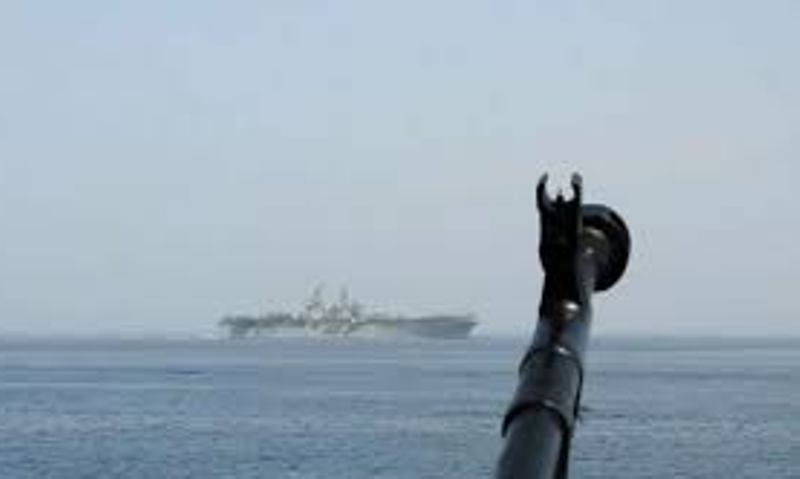
India has called for restraint and a diplomatic resolution as renewed tensions between the United States and Iran raise concerns over the security of the Strait of Hormuz, one of the world’s most critical maritime trade corridors. The government has expressed concern that any escalation in the conflict could disrupt global shipping, impact energy supplies, and increase costs for international trade.
The Strait of Hormuz handles a significant share of global crude oil, liquefied natural gas (LNG), and container traffic, making it a strategic chokepoint for international commerce. Any disruption to vessel movements through the waterway could have far-reaching consequences for global supply chains, freight markets, and energy prices.
India, which depends heavily on imports of crude oil and LNG from the Gulf region, is closely monitoring developments. Trade and shipping industry representatives have warned that heightened geopolitical tensions could result in higher marine insurance premiums, increased freight rates, longer transit times, and possible vessel diversions, adding to logistics costs for exporters and importers.
Indian exporters are also concerned about the impact on shipments destined for the Middle East, Europe, and North America, many of which transit through the Strait of Hormuz. Prolonged instability could delay cargo deliveries, disrupt supply chains, and affect contractual commitments, particularly for time-sensitive goods such as pharmaceuticals, engineering products, chemicals, and perishables.
The government has reiterated its support for dialogue and peaceful engagement to prevent further escalation and ensure the uninterrupted flow of global trade. Officials are maintaining close coordination with shipping companies, port authorities, and relevant ministries to assess potential risks and prepare contingency measures should the security situation deteriorate.
Shipping lines and logistics providers are also reviewing operational plans, monitoring security advisories, and evaluating alternative routing options where feasible. However, industry experts note that large-scale diversions would increase voyage distances and transportation costs, placing additional pressure on already volatile global supply chains.
Analysts believe that while maritime traffic through the Strait of Hormuz continues, sustained geopolitical tensions could weigh on global trade and commodity markets. For India, maintaining secure shipping lanes in the Gulf remains critical to safeguarding energy security, export competitiveness, and the smooth movement of international cargo.