
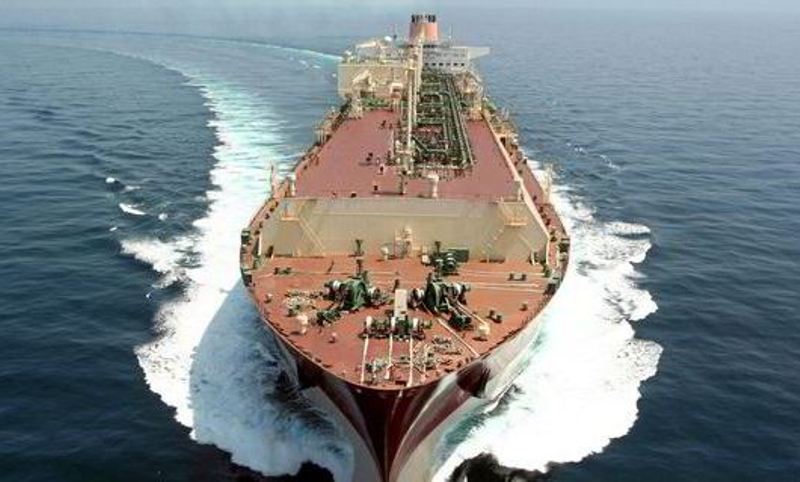
In an unusual trade move, India has shipped a rare diesel cargo to China, marking a shift in regional fuel flows amid mounting Western sanctions on Nayara Energy, the country’s second-largest private oil refiner.
Industry sources said the shipment originated from Nayara’s 20 million tonnes per annum Vadinar refinery in Gujarat and was dispatched to China earlier this month. The cargo, comprising high-speed diesel, is understood to be part of Nayara’s efforts to find alternative markets following restrictions by some Western buyers over the company’s links to Russian oil supplies.
India traditionally exports most of its diesel to markets such as Singapore, the Middle East, and Africa. Direct shipments to China remain rare, with bilateral fuel trade largely limited to crude and petrochemical feedstocks.
Analysts say the move underscores how trade patterns are being reshaped by geopolitical pressures, as refiners adjust supply routes to maintain output and revenues. “With sanctions narrowing the buyer pool, Nayara’s pivot towards China could signal a new chapter in India’s fuel export strategy,” said an energy market expert.
The development also comes at a time when China’s domestic refining margins are under pressure, prompting its traders to explore opportunistic imports of competitively priced fuel.