
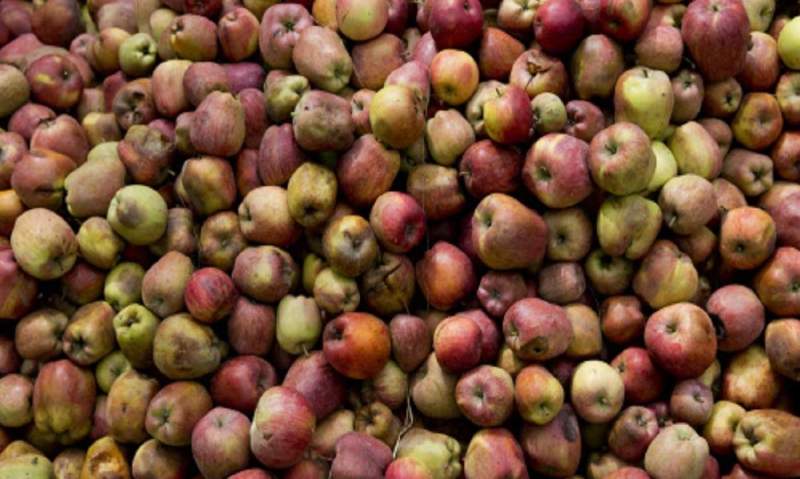
India and the United States have agreed on new terms governing apple imports under their evolving trade framework, introducing quotas and a minimum import price aimed at balancing market access with protection for domestic growers.
Under the arrangement, India will allow a fixed quantity of apples from the United States to enter the market at preferential terms each year. The agreement also establishes a minimum import price to prevent low-cost shipments from undercutting domestic apple producers during peak harvest periods.
Officials say the measure is designed to ensure predictable market access for American exporters while safeguarding the interests of Indian horticulture farmers. Apple growers in northern states such as Himachal Pradesh and Jammu and Kashmir have previously raised concerns about cheaper imports affecting local prices.
The quota-based system is expected to stabilise trade flows by limiting the volume of imports during sensitive periods in the domestic market. By setting a price floor, the agreement aims to prevent excessive price competition that could harm Indian producers.
The United States is one of the key suppliers of premium apples to India, competing with shipments from countries such as New Zealand, Chile and Turkey. Demand for imported apples in India has grown steadily due to changing consumer preferences and rising purchasing power.
Trade analysts say the new mechanism could help smooth trade tensions while allowing both countries to expand agricultural trade. The agreement forms part of broader efforts by India and the United States to deepen economic ties and resolve long-standing market access issues in agricultural products.