
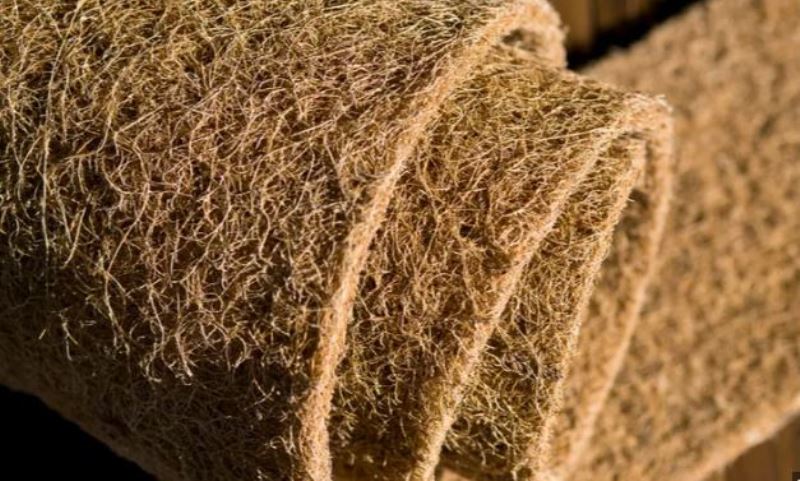
India’s coir exports are set to benefit significantly following a decision by the United States to reduce tariffs on Indian imports—a move that industry leaders say could revive a sector hit hard by previous punitive duties. The coir industry, which produces products made from the natural fiber extracted from coconut husks, has historically supplied a substantial portion of its output to the US market. With the revised tariff structure now lowering duties significantly, Indian exporters are anticipating stronger competitiveness and renewed demand.
The tariff cut is part of a broader India–US trade reset, wherein Washington reduced reciprocal tariffs on a wide range of Indian goods—from punitive levels that reached up to 50% last year to a more manageable 18%. This reduction applies across several export categories, including agro-products, textiles, leather, seafood, and coir, among others, making Indian goods more price-competitive relative to alternative suppliers from countries such as Vietnam and Bangladesh.
The coir sector, valued at hundreds of millions of dollars annually, faced steep challenges after the earlier high tariffs sharply reduced its attractiveness in the US market. Those duties had threatened market share and job security for thousands of workers, particularly in Kerala where coir production is concentrated. With the tariff relief now in place, exporters and industry associations are hopeful that orders will pick up, restoring export volumes and supporting livelihoods tied to the traditional “golden fiber” industry.
Beyond coir, the tariff cut is expected to stimulate growth across multiple Indian export segments. Marine products such as seafood and basmati rice are projected to see increased shipments to the US, with lower trade costs encouraging higher demand. Similarly, labour-intensive sectors like textiles, carpet exports, and engineered goods are likely to regain traction, benefiting from improved price competitiveness and market access.
Commerce officials in New Delhi have welcomed the development as part of strengthened bilateral trade ties that could pave the way for a broader recovery in Indian exports. Industry analysts note that lower tariff barriers not only help restore lost market share but also enhance India’s positioning as a reliable supplier in global value chains.
Overall, the tariff reduction presents a major opportunity for India’s coir exporters and related sectors to bounce back in one of their largest overseas markets, enabling growth, job support, and expanded economic engagement with the United States.