
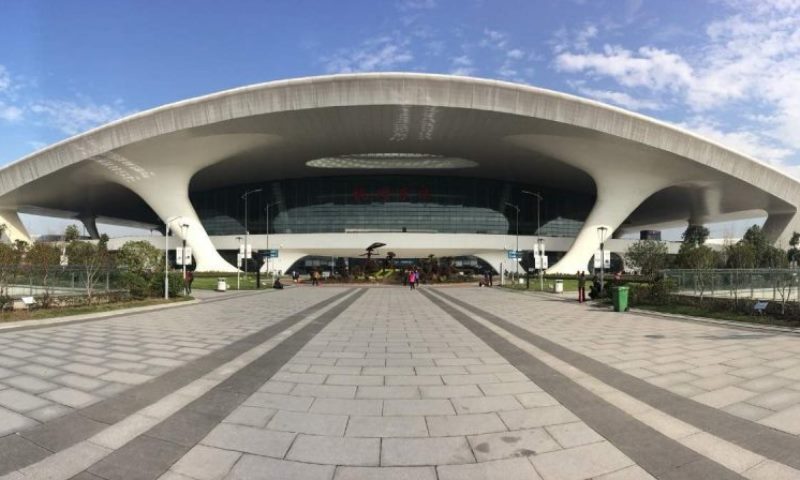
India’s largest railway terminal is set to come up at Yelahanka in Bengaluru, in a major push to decongest existing stations and enhance rail infrastructure in the region.
The proposed terminal at Yelahanka is expected to significantly ease traffic at key city stations such as KSR Bengaluru City Railway Station and Yesvantpur Junction, which currently handle heavy passenger volumes.
Railway officials indicated that the new terminal will feature multiple platforms, advanced passenger amenities, dedicated parking zones, and improved multimodal connectivity. Plans also include integration with suburban rail, metro, and bus networks to facilitate seamless urban transit.
The large-scale facility is aimed at accommodating long-distance and originating trains, thereby reducing operational pressure on central city stations. Enhanced yard infrastructure and modern signalling systems are expected to improve turnaround times and operational efficiency.
Yelahanka’s strategic location in north Bengaluru, along with its proximity to major highways and residential hubs, makes it a suitable site for the mega terminal project. The development is also likely to spur real estate and commercial growth in surrounding areas.
Once completed, the terminal is expected to transform rail travel dynamics in Bengaluru, offering expanded capacity and upgraded facilities to meet the city’s rapidly growing mobility demands.