
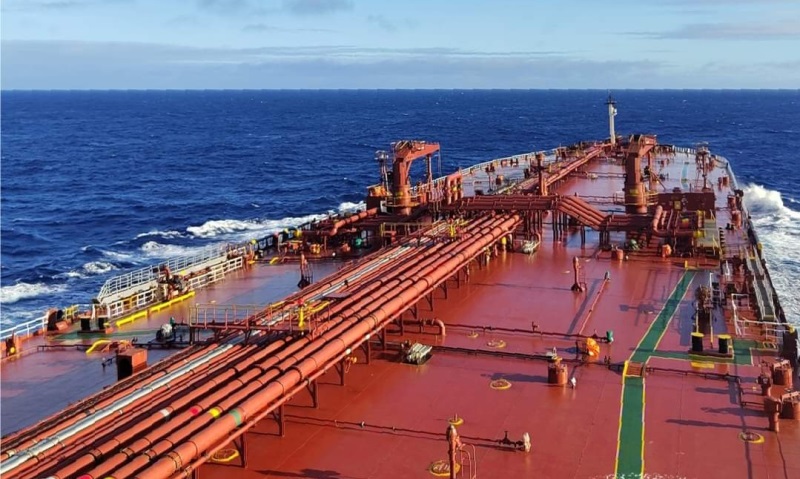
DH Shipbuilding has emerged as a dominant force in the global tanker newbuild market, securing six out of 11 Suezmax crude oil tanker orders placed worldwide in January — representing approximately 55 % of the global tally for the month.
The South Korean shipbuilder’s recent contracts include four vessels from new clients earlier in the month, followed by two more from a European shipowner announced on January 28, with a combined contract value around KRW 250 billion (roughly $175 million).
Thanks to this early-year order surge, DH Shipbuilding has proactively strengthened its workload, building a backlog of about 30 vessels — equivalent to nearly three years of production — and further cementing its leadership in the Suezmax segment.
Jin Gi-bong, Head of Sales at DH Shipbuilding, highlighted the yard’s strong reputation among global owners for high-quality Suezmax tankers, noting that repeat orders from long-standing customers continue to reinforce the company’s position.
The newly ordered Suezmax crude tankers are scheduled for delivery between January and May 2029, underscoring long-term demand for mid-size tanker capacity amid ongoing crude transport needs across key trade routes.