
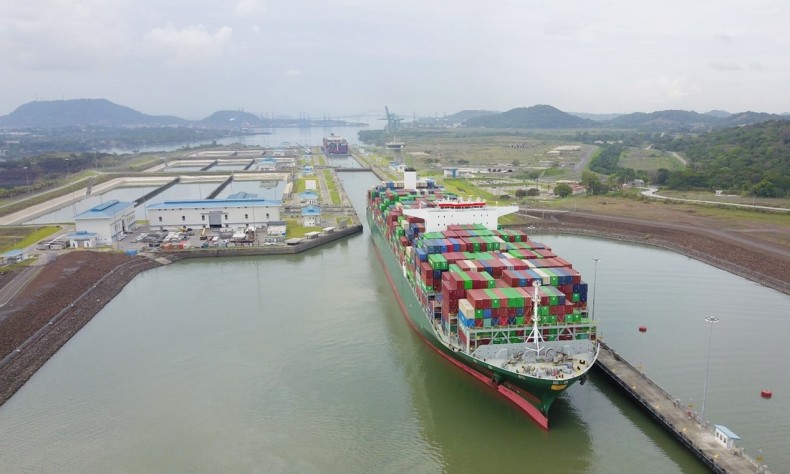
The Panama Canal Authority has outlined new initiatives aimed at improving the capacity and operational resilience of the Panama Canal, a critical gateway for global maritime trade.
The measures are part of a broader strategy to ensure the canal can handle growing vessel traffic while addressing challenges posed by climate variability and water availability. Authorities are evaluating infrastructure upgrades, improved water management systems and operational adjustments to optimise ship transits through the waterway.
In recent years, the canal has faced constraints due to lower water levels in Lake Gatún, the freshwater reservoir that supplies water for the lock system. These conditions forced temporary restrictions on vessel drafts and daily transit slots, highlighting the need for long-term solutions to maintain smooth operations.
The new measures are expected to focus on enhancing water storage capacity and adopting technologies that allow more efficient use of available resources. Officials say the initiatives will help safeguard the canal’s reliability for global shipping lines and reduce disruptions caused by environmental pressures.
As one of the world’s most important maritime routes connecting the Atlantic Ocean and the Pacific Ocean, the Panama Canal plays a vital role in international supply chains, handling a significant share of container, energy and bulk commodity traffic.
The capacity improvement measures are expected to support the canal’s long-term sustainability while ensuring it remains a key artery for global trade.