
Escalating tensions in West Asia are casting a shadow over India’s edible oil imports and agricultural export flows, raising concerns about supply disruptions, rising freight costs and payment uncertainties.
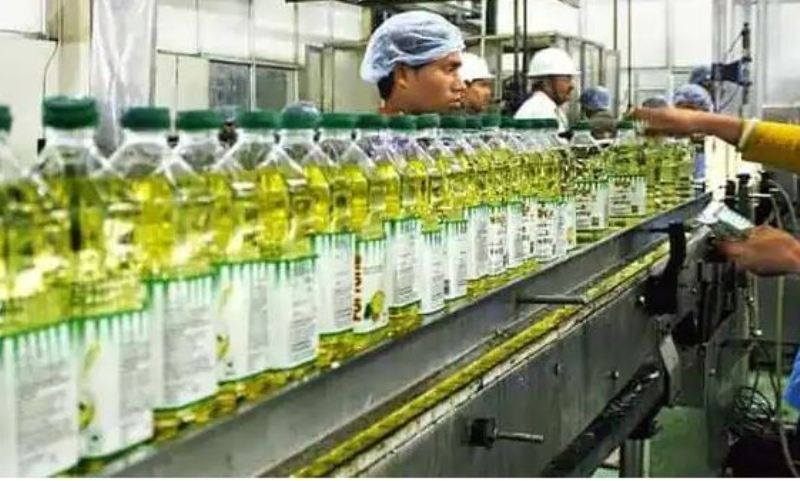
India is heavily dependent on overseas supplies to meet its edible oil demand, importing large volumes of palm oil from Indonesia and Malaysia, as well as sunflower oil and soybean oil from Black Sea and South American origins. Trade experts warn that instability in West Asia — a critical transit region for global shipping — could disrupt vessel movement through key maritime corridors, delay consignments and inflate insurance premiums.
Shipping lines have already begun rerouting services in response to security concerns, resulting in longer transit times and higher freight charges. Industry officials say any sustained disruption in sea lanes near the Red Sea and adjoining routes would directly impact edible oil shipments bound for Indian ports, tightening domestic availability and exerting upward pressure on prices.
On the export side, agricultural commodities such as rice, tea, spices, sugar and marine products could face logistical hurdles. West Asia is a significant market for Indian basmati rice and several processed food items. Exporters fear that cargo delays, restricted airspace, and higher logistics costs may affect delivery schedules and strain trade relationships.
Industry representatives have urged the government to closely monitor edible oil stock levels and be prepared with contingency measures, including alternative sourcing strategies and temporary tariff adjustments if necessary. They also called for coordination with shipping companies and port authorities to minimise bottlenecks.
Economists note that food inflation remains sensitive in India, and any disruption to edible oil imports — a key component of household consumption — could have wider macroeconomic implications. At the same time, reduced export momentum may affect farmgate prices and the earnings of exporters dependent on West Asian markets.
Government officials said the situation is being reviewed on a real-time basis, with inter-ministerial coordination to assess risks to both imports and exports. While immediate shortages are not anticipated, analysts caution that prolonged geopolitical instability in West Asia could reshape trade flows and introduce fresh volatility into India’s agri-commodity markets.