
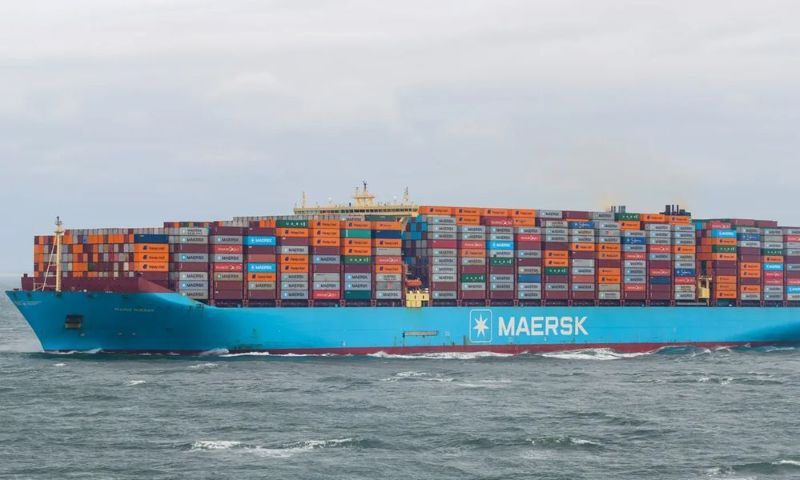
Maersk has highlighted growing food security pressures across the Middle East, pointing to an increasing reliance on imports to meet regional demand amid supply chain disruptions and geopolitical uncertainties.
The shipping major noted that several countries in the region remain heavily dependent on imported food commodities, including grains, edible oils, and processed goods. Recent volatility in global supply chains, coupled with regional tensions, has further intensified the need for stable and efficient logistics networks.
Maersk said disruptions across key trade routes and fluctuating freight conditions have added complexity to food supply flows, making timely deliveries and reliable shipping services more critical than ever. The company emphasized the importance of resilient maritime infrastructure to ensure uninterrupted access to essential commodities.
The carrier also pointed to shifting sourcing patterns, with importers diversifying suppliers to mitigate risks associated with concentrated supply chains. This trend is expected to increase demand for flexible shipping solutions and alternative routing options.
Maersk added that strengthening cold chain capabilities, port efficiency, and inland logistics will be vital to supporting food security in the region. The company underscored the role of integrated supply chain solutions in addressing both immediate needs and long-term resilience in Middle East trade.