
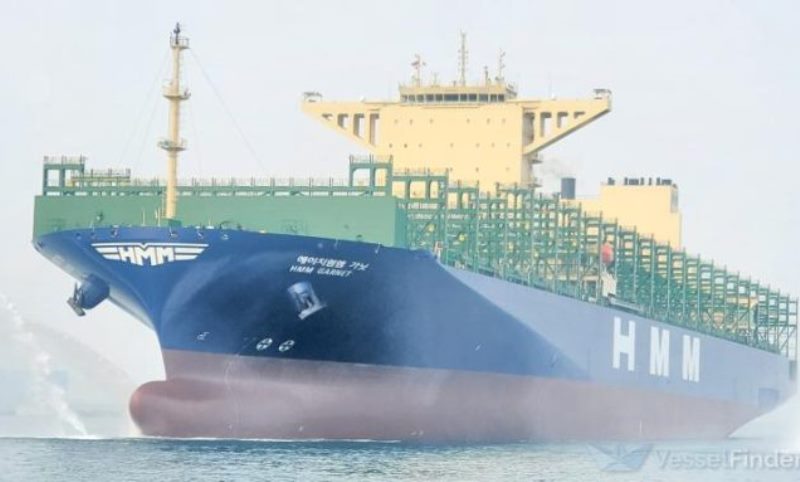
HMM’s bid to acquire SK Shipping has collapsed after both sides failed to bridge differences over pricing, raising expectations of new shipbuilding orders as the carrier presses ahead with its ambitious fleet expansion strategy.
The shipping major is pursuing a ₩23.5 trillion ($17.5 billion) mid- to long-term investment strategy through 2030, which includes plans to add 66 bulk carriers, including dry bulk and oil tankers, totaling 6.22 million DWT. The expansion plan is valued at approximately $3.3 billion (₩4.58 trillion).
HMM had sought to acquire most of SK Shipping’s fleet — excluding its LNG division — to fast-track its expansion. The carrier is barred from entering the LNG market until 2029 under a non-compete agreement linked to the sale of its LNG business.
As of end-2023, SK Shipping’s fleet comprised 23 oil/chemical carriers, 14 LPG carriers, 10 bulk carriers, and 7 bunkering vessels. A successful acquisition would have allowed HMM to meet 82% of its 2030 fleet target.
With the deal now scrapped, HMM is expected to rely on second-hand acquisitions, charters, and newbuild orders to reach its goals. Industry analysts note that this could provide a much-needed boost for domestic shipbuilders at a time when global new orders have plunged.
According to Clarkson Research, global orders for tankers, bulk carriers, and LPG carriers totaled 630,000 CGT through July, down 74% year-on-year — a sharper fall than the 50% decline in overall ship orders worldwide (2.33 million CGT).
Notably, HMM’s fleet maintains one of the lowest ratios of Chinese-built ships in the sector, at just 1.1%, compared with the global average of more than 25%. This makes it highly likely that the company will turn to Korean shipbuilders to meet its needs.
“While the second-hand bulk carrier market is active, HMM will have no choice but to increase new builds,” an industry insider said.