
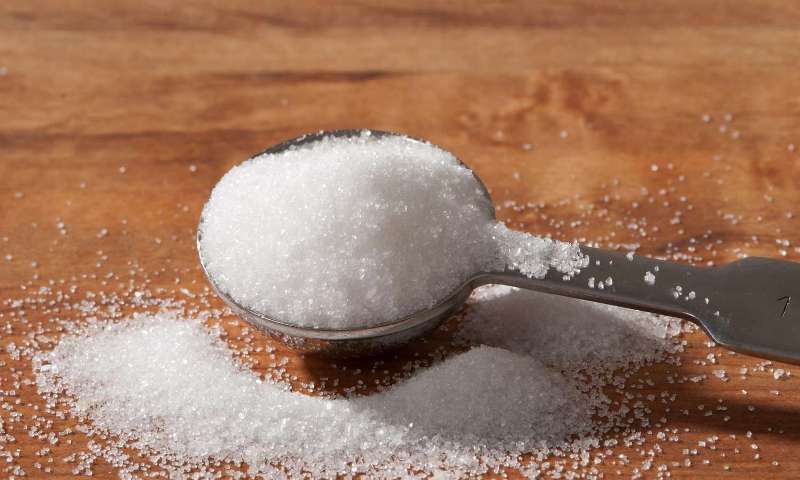
India has approved the export of 67,719 tonnes of sugar to Maldives for the financial year 2026–27, under a bilateral trade agreement aimed at ensuring steady supply of essential commodities to the island nation.
The decision reflects India’s continued commitment to supporting its neighboring countries through stable trade partnerships. The approved quota will help the Maldives meet its domestic sugar demand, which is largely dependent on imports.
Officials noted that the export arrangement is part of a broader framework of cooperation between the two countries, covering key food items and essential goods. India has traditionally been a primary supplier of staples such as sugar, rice, and wheat to the Maldives, strengthening economic ties and regional connectivity.
The move also aligns with India’s “Neighbourhood First” policy, which prioritizes economic and strategic engagement with countries in the region. By ensuring reliable supply chains, India aims to reinforce its role as a dependable trade partner.
Industry observers believe that such government-to-government export agreements provide stability to both exporters and importing nations, while also supporting India’s agricultural trade and surplus management.
The export will be carried out through designated channels in compliance with regulatory guidelines for the upcoming fiscal year.