
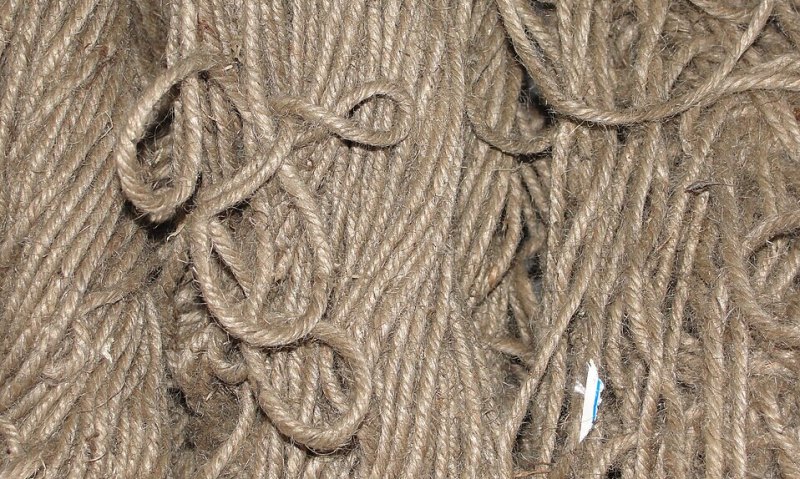
India’s jute industry has urged the government to restrict jute seed shipments from Bangladesh after Dhaka moved to curb exports of raw jute and jute products to India, industry sources said.
Bangladesh recently imposed tighter controls on jute exports, citing domestic supply concerns and the need to support its local processing sector. The move has disrupted supplies for Indian jute mills, particularly in West Bengal, which rely heavily on imports from Bangladesh to meet raw material requirements.
Indian mill owners argue that allowing continued exports of jute seed to Bangladesh while raw jute supplies are restricted creates an uneven trade dynamic. Industry associations have asked the Centre to consider a temporary ban or stricter regulation on jute seed shipments to protect domestic interests and ensure availability for Indian farmers.
The jute sector fears that prolonged supply disruptions could push up raw jute prices, raise production costs and impact the availability of jute bags used for food grain packaging under government procurement programmes.
Officials said the government is monitoring the situation and is in touch with stakeholders to assess the impact on farmers, mills and public distribution logistics. India and Bangladesh are expected to take up the issue through bilateral trade channels in the coming weeks.