
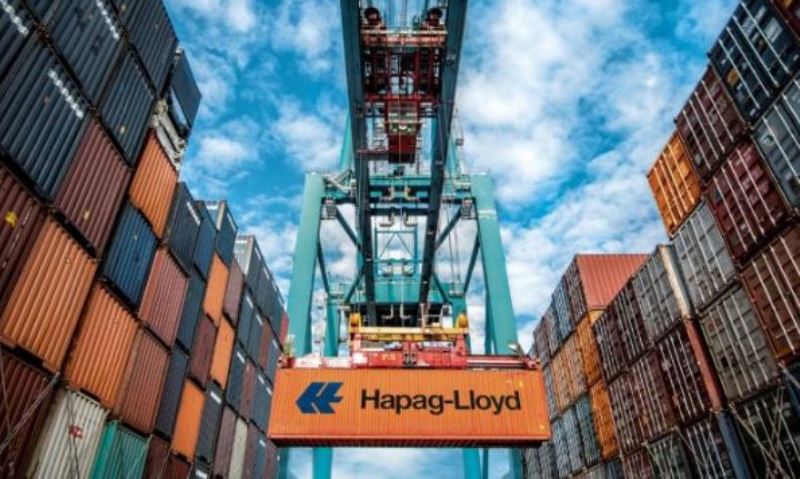
Hapag-Lloyd has introduced an emergency fuel surcharge on its Australia intermodal rail services, citing rising fuel costs and increased operational expenses across inland logistics networks. The adjustment applies to rail-based freight movements connected to the carrier’s Australian supply chain operations.
Industry sources said the surcharge is aimed at recovering higher diesel and energy costs affecting rail freight operators, which have faced persistent price volatility in fuel markets. The measure is expected to impact container movements between Australian ports and inland cargo hubs that rely on rail for long-distance distribution.
Hapag-Lloyd said the decision reflects ongoing cost pressures in global logistics, where carriers are increasingly required to adjust pricing structures in response to fluctuating input costs, including fuel, port charges and inland transport expenses. The company continues to operate a combination of sea, rail and road services as part of its integrated logistics network.
Australia’s intermodal freight sector plays a critical role in connecting major ports with inland industrial and agricultural regions. Industry participants noted that fuel surcharges are commonly used in the logistics industry to offset variable costs, particularly during periods of energy price instability.
Logistics analysts said the move underscores broader cost pressures facing global supply chains, where carriers are balancing profitability with service reliability amid uncertain macroeconomic conditions and fluctuating demand patterns.
The development comes as shipping and logistics companies continue to refine pricing mechanisms across multimodal transport networks to maintain operational sustainability while managing volatility in global energy and transportation markets.