
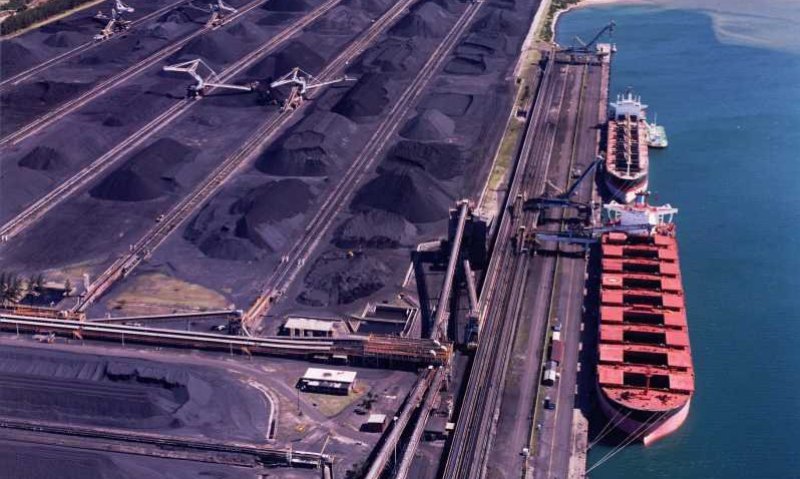
India’s aggressive steel capacity expansion plans could significantly increase the country’s dependence on imported coal, with estimates suggesting cumulative imports may reach nearly 6 billion tonnes over the coming decades if current production strategies continue.
Industry assessments indicate that the scale-up in coal-based steelmaking capacity could expose India to an import bill approaching $1 trillion, driven by rising demand for coking coal used in blast furnace operations. Analysts warned that such dependence may increase vulnerability to global commodity price volatility, supply disruptions, and foreign exchange pressures.
India has been rapidly expanding steel production capacity to meet growing infrastructure, construction, and manufacturing demand. However, experts say the long-term sustainability of coal-intensive growth models is increasingly being questioned as global industries move toward lower-emission technologies such as green hydrogen-based steelmaking and electric arc furnaces.
The findings have intensified discussions around diversifying raw material sources, boosting domestic resource efficiency, and accelerating investments in cleaner steel production technologies to reduce future import risks and carbon emissions.