
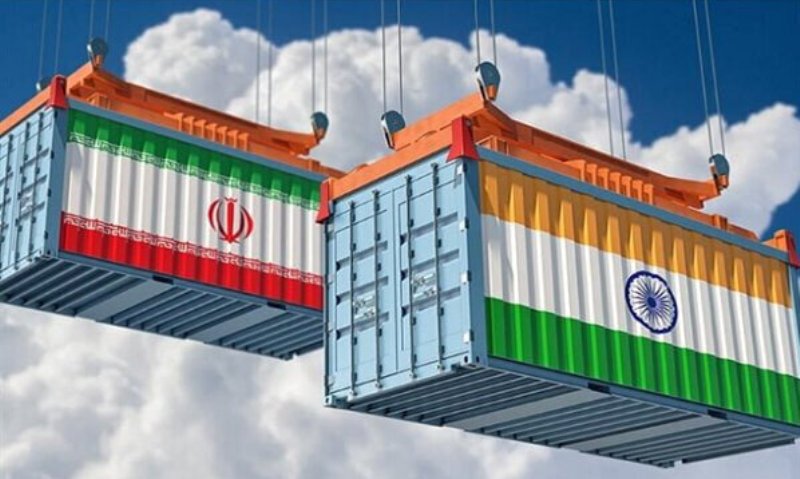
A worsening political and economic crisis in Iran is disrupting a key trade channel for Indian exporters, forcing shipping companies and trade bodies to seek alternative markets and diversify export routes.
Iran has historically been a major buyer of Indian agricultural products, particularly basmati rice. However, growing civil unrest, economic instability, and heightened geopolitical tensions have caused shipments to stall and complicated logistics. Exporters report delays in payments, devaluation of the Iranian rial, and rising financial risks, making new contracts with Iranian buyers increasingly uncertain.
Industry sources say India’s trade share with Iran has already shrunk, even as total exports grew modestly last year. Goods once destined for Tehran are now being redirected to Gulf Cooperation Council (GCC) states, North and East Africa, and Europe, where buyers offer more stable payment and delivery mechanisms.
“The current situation underscores the need for Indian exporters to diversify and reduce dependency on a single market,” said a senior trade official.
Logistics and shipping experts are also exploring alternative transport routes. The International North-South Transport Corridor (INSTC) and Central Asian corridors, including the Trans-Afghan route, are gaining attention as strategic options to bypass volatile regions and maintain trade flows.
While Iran remains an important market for Indian rice and other commodities, analysts warn that the ongoing crisis may accelerate a long-term strategy of market diversification, with exporters investing in new trade channels and risk management mechanisms.
Key Takeaways:
-
India’s rice exports to Iran are stalling due to political unrest and financial instability.
-
Shippers are redirecting goods to GCC countries, Africa, and Europe.
-
Alternative trade routes like INSTC and Trans-Afghan corridors are being explored.
-
Long-term export diversification is becoming a priority for Indian traders.