
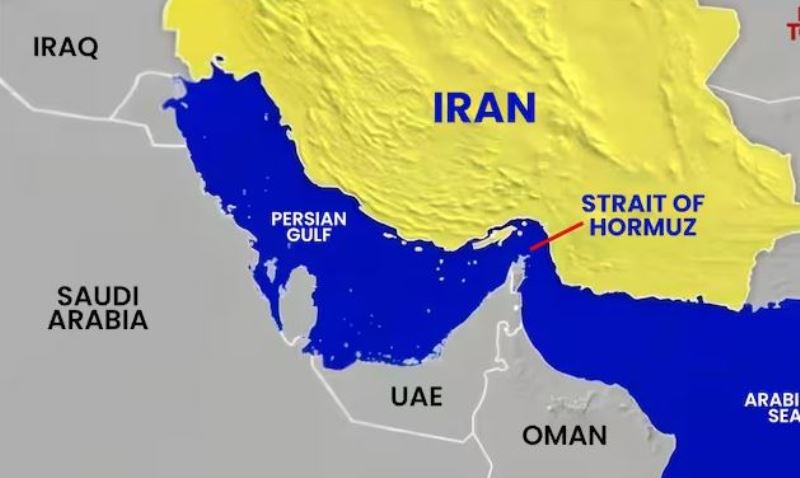
Iran has rejected claims that it is charging merchant vessels up to $2 million for safe passage through the Strait of Hormuz, calling such reports “unfounded” and not reflective of official policy.
The speculation arose after remarks by Alaeddin Boroujerdi, who suggested during a television appearance that Tehran could impose transit fees amid the ongoing conflict with Israel and the United States. Iranian authorities have since clarified that no such measure has been implemented.
The clarification comes as tensions escalate in the strategic waterway, which handles nearly a fifth of global oil and LNG shipments. Shipping activity has slowed in recent weeks, with Iran reportedly enforcing selective restrictions targeting vessels linked to countries it considers hostile, while allowing others to pass.
Geopolitical rhetoric has intensified following a 48-hour ultimatum issued by Donald Trump, urging Iran to fully reopen the route and warning of potential strikes on Iranian infrastructure. In response, Mohammad Baqer Qalibaf warned of retaliatory attacks on regional energy assets, while the Islamic Revolutionary Guard Corps cautioned that any strike on Iran could lead to a complete closure of the strait.
Amid the rising tensions, maritime security has deteriorated, with recent attacks on fuel tankers in Iraqi waters underscoring the risks to commercial shipping. The disruption has already begun to push global fuel prices higher and raised concerns over supply chain stability.
While Iran’s denial of transit fee plans may ease immediate concerns, uncertainty continues to loom over one of the world’s most critical energy corridors.