
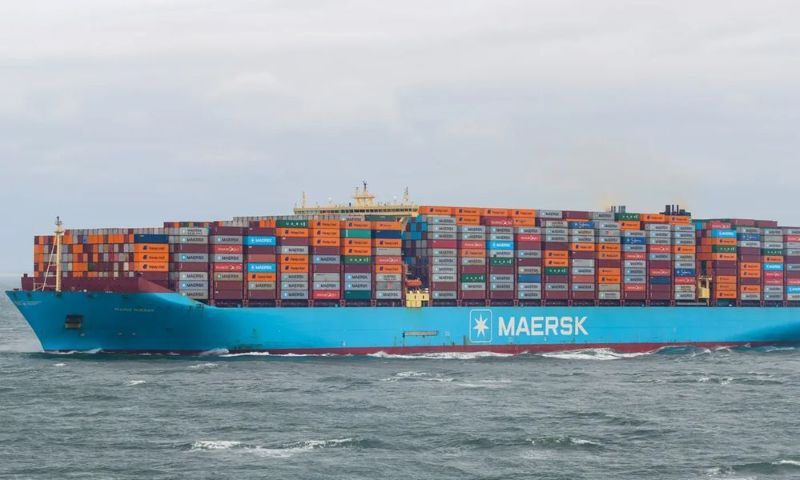
Maersk has announced revisions to its Peak Season Surcharge (PSS) levels for cargo moving from the Indian Sub-Continent and the Middle East, reflecting evolving market conditions on these trade lanes. The updated surcharges will apply to specific routes and cargo types, with implementation dates varying by destination and service, subject to contractual terms.
The revision comes amid fluctuating demand patterns, capacity management measures, and ongoing cost pressures linked to fuel, vessel deployment, and operational constraints. Industry sources said the Indian Sub-Continent and Middle East corridors have seen uneven cargo flows, prompting carriers to recalibrate pricing structures during the peak shipping period.
Shippers and freight forwarders noted that changes to PSS levels could affect export costs for commodities such as textiles, engineering goods, chemicals, and consumer products. Exporters are expected to closely monitor rate movements and adjust shipment planning where possible to mitigate the impact of higher logistics costs.
Maersk said the PSS update is intended to support service reliability and network stability during peak demand periods. Analysts added that further adjustments across regional trade lanes will depend on cargo volumes, equipment availability, and broader developments in global shipping markets.