
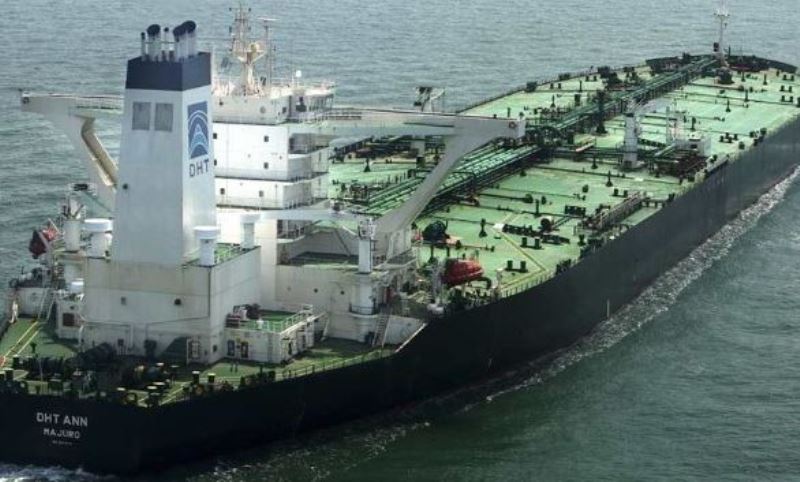
Mumbai has received the first India-bound crude oil shipment to pass through the Strait of Hormuz since the outbreak of hostilities involving Iran, marking a key development for energy supply chains amid ongoing regional tensions.
The tanker delivered approximately 135,335 metric tonnes of crude oil, successfully navigating the strategically vital waterway before arriving at a terminal serving India’s refining hub. The safe passage of the vessel is seen as a sign that limited commercial shipping continues to move through the corridor despite heightened security risks.
The Strait of Hormuz remains one of the world’s most critical energy chokepoints, handling a substantial share of global crude oil and petroleum product flows from Gulf producers to major consumers in Asia. Concerns had risen in recent weeks that escalating military tensions could disrupt tanker movements through the narrow passage.
Energy traders and shipping analysts said the arrival of the cargo provides some reassurance to oil markets and refiners in India, which depends heavily on crude imports from Gulf producers. Indian refineries rely on steady tanker traffic through the route to maintain feedstock supplies.
However, shipping companies and insurers remain cautious, as war-risk insurance premiums and security costs for vessels transiting the region have risen sharply. Industry participants say additional safety measures and convoy monitoring could become more common if the conflict persists.
Despite the risks, continued tanker movements through the Strait of Hormuz are considered crucial for maintaining global energy flows and preventing major supply disruptions in international oil markets.