
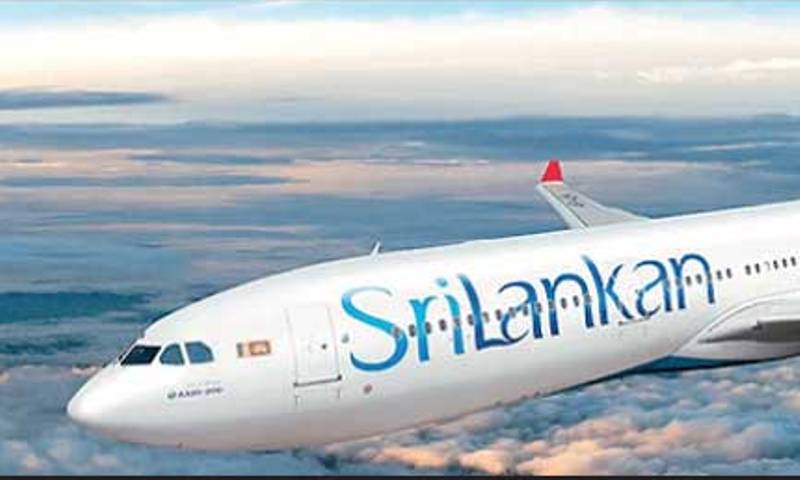
SriLankan Airlines is set to significantly enhance Colombo’s position as a regional hub for transhipment and e-commerce with the launch of a new cargo terminal at Bandaranaike International Airport (BIA) by the end of 2025. The upcoming facility will double the airline’s annual cargo handling capacity from the current 250,000 metric tonnes to over 500,000 metric tonnes.
“The new facility will allow us to add another 250,000 metric tonnes of handling capacity,” said Shehan Fernando, Cargo Operations Manager at SriLankan Airlines.
The expansion project was initiated prior to the COVID-19 pandemic, when steady growth in cargo volumes indicated that existing facilities would soon be insufficient to meet demand. Despite the global slowdown in trade during the pandemic, construction continued , underscoring the airline’s long-term vision to strengthen Sri Lanka’s logistics and connectivity.
According to Fernando, the new terminal building is already complete, with final cabling and IT infrastructure installations underway. “The authorities are yet to hand over the facility to us. We are hopeful this will happen by the end of the year,” he said.
Sri Lanka’s strategic geographic location plays a pivotal role in the airline’s expansion strategy, enabling Colombo to attract transhipment cargo from India and intercept shipments moving between Australia, Europe, and other regions. “Planes are precious and most people are targeting this area. We are aiming to establish Colombo as a key hub,” Fernando explained.
The new terminal will be dedicated exclusively to imports, freeing up space in the existing facilities. Plans are underway to transform the current import terminal into a specialised perishable centre and an e-commerce hub, catering to the growing demand for pharmaceuticals, fruits, vegetables, seafood, and online retail shipments from platforms such as AliExpress and eBay.
Meanwhile, the airline will reorganise its existing terminals—one will serve as a virtual logistics centre and a Korea hub, while the new export terminal will focus entirely on general cargo. This restructured system is expected to significantly boost efficiency and capacity, supporting the handling of a wider variety of goods.
Highlighting the wider economic benefits, Fernando noted: “Now we can see more people investing and importing goods. The business trend has shifted. Our hope is to have more business in Colombo and out of Colombo, and bring more transhipment into Colombo.”
With this strategic expansion, SriLankan Airlines aims to strengthen Colombo’s role as a vital logistics gateway for the region, positioning it as a competitive hub for global trade and e-commerce.