
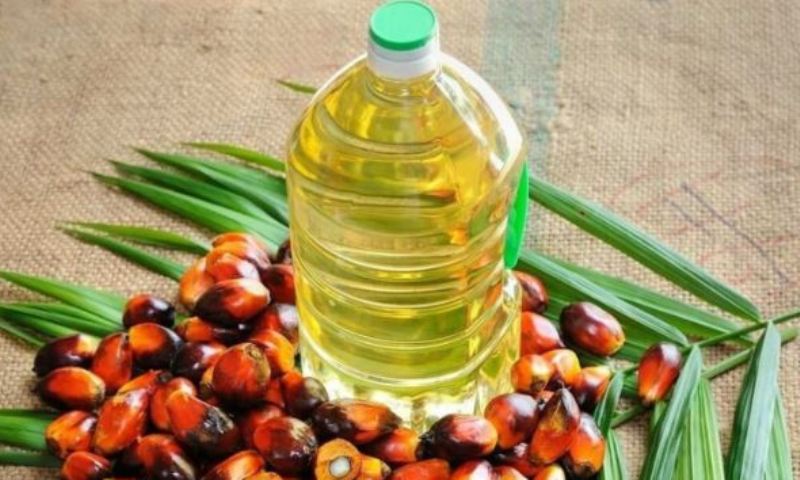
India’s palm oil imports surged 51 per cent in January compared to the previous month, driven by a widening price discount that encouraged refiners to step up purchases.
Data released by the Solvent Extractors’ Association of India (SEA) showed that palm oil shipments rose sharply as the commodity became significantly cheaper than rival edible oils such as soybean and sunflower oil. The price gap prompted traders and refiners to increase buying after months of relatively subdued imports.
Palm oil, primarily sourced from Indonesia and Malaysia, regained its competitiveness in the Indian market following corrections in global prices. Industry participants noted that refiners had earlier curtailed purchases due to higher palm oil premiums, but the recent discount reversed that trend.
The rise in palm oil imports also lifted India’s overall edible oil inflows for the month. Analysts said that strong demand from the food processing and hospitality sectors, along with restocking by refiners, contributed to the sharp month-on-month increase.
Despite the January spike, experts caution that import trends may remain volatile in the coming months, depending on global price movements, domestic oilseed availability, and government import duty policies. India, the world’s largest edible oil importer, relies heavily on overseas supplies to meet its domestic consumption needs.
Market observers expect buying patterns to remain sensitive to price differentials among palm, soybean, and sunflower oils, which continue to shape trade flows into the country.