
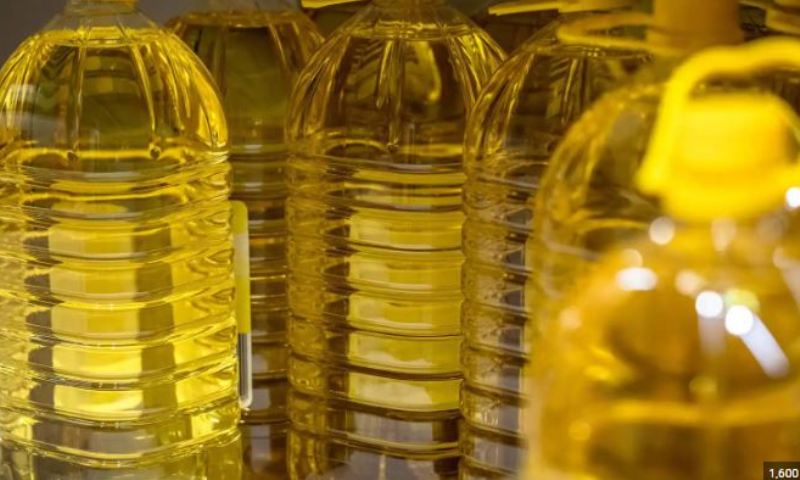
India’s edible oil imports registered a marginal decline of 2 per cent in the first quarter of the 2025-26 oil year, reflecting improved domestic availability and softer global buying trends.
According to industry data compiled by the Solvent Extractors’ Association of India (SEA), total edible oil imports during the October–December quarter stood lower compared to the same period last year. The decline was primarily attributed to higher domestic oilseed crushing, particularly mustard and soybean, which reduced reliance on overseas shipments.
India, the world’s largest importer of edible oils, sources palm oil mainly from Indonesia and Malaysia, while soybean and sunflower oils are imported from Argentina, Brazil, Russia and Ukraine. During the quarter, palm oil imports showed mixed trends amid fluctuating global prices, while sunflower oil shipments remained steady.
Market participants noted that improved kharif oilseed output and adequate domestic stocks helped moderate import demand. Additionally, refiners adopted a cautious procurement strategy in view of volatile international prices and currency movements.
Despite the quarterly dip, analysts expect imports to remain substantial through the oil year, given India’s structural demand-supply gap in edible oils. Domestic consumption continues to grow steadily, driven by population growth, rising incomes and expanding food processing activity.
Industry experts said future import trends will depend on global price competitiveness, domestic crop performance in the rabi season, and any changes in import duty structure.