
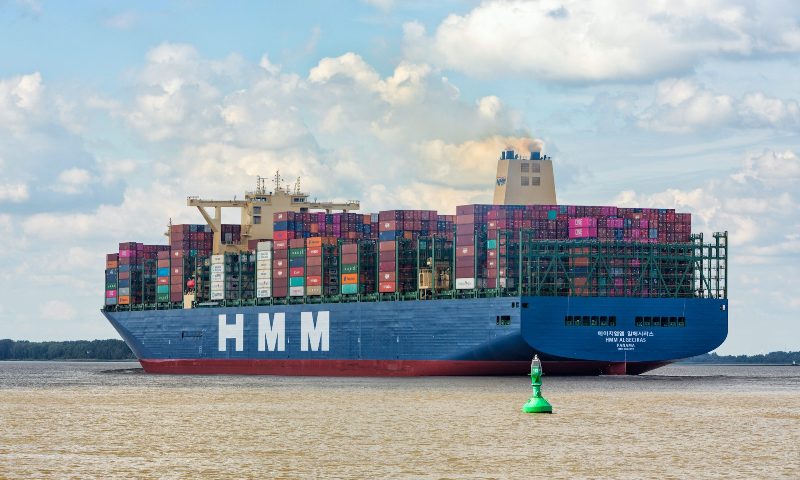
A U.S.-based shipper has returned to the Federal Maritime Commission (FMC) with a formal complaint against HMM (Hyundai Merchant Marine), alleging contract failure and the imposition of unfair fees.
The complaint, filed under the FMC’s regulatory framework for ocean carriers, cites instances where HMM allegedly failed to honor contractual obligations related to shipping schedules, cargo space allocation, and agreed freight rates. The shipper also claims that additional charges were levied without proper justification, constituting unfair or unreasonable fees under U.S. shipping law.
Industry and Regulatory Context
HMM, one of the major global container carriers, has faced similar claims in the past, highlighting ongoing tensions between carriers and shippers over rate transparency and service reliability. The FMC is tasked with ensuring fair practices in U.S. ocean borne trade, investigating disputes between shippers and carriers, and enforcing regulations to protect market participants.
Potential Implications
If the FMC upholds the claim, HMM could face financial penalties and be required to adjust its billing practices for affected shippers. Observers note that repeated disputes could impact the carrier’s reputation among U.S. shippers and influence contract negotiations with other clients.
The case also underscores broader concerns within the shipping industry regarding unpredictable surcharges, detention and demurrage fees, and adherence to service contracts, especially during periods of high cargo demand and port congestion.