
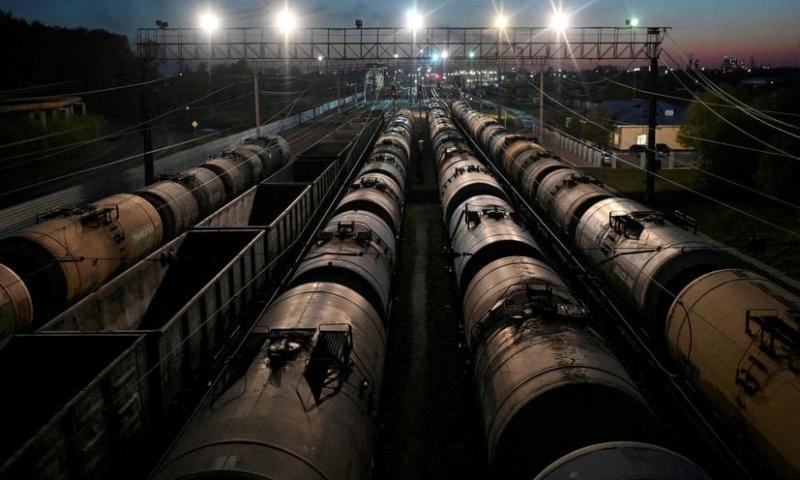
India is expected to continue importing Russian crude oil despite the expiry of a key US sanctions waiver, as refiners prioritise energy security, competitive pricing and stable supply availability. Industry officials said Russian oil remains an important component of India’s import basket due to its discounted rates compared with Middle Eastern and other global benchmarks.
Indian refiners have significantly increased purchases of Russian crude since 2022, making Russia one of India’s largest oil suppliers. Market participants said state-run and private refiners are likely to maintain procurement levels as long as shipments remain commercially viable and payment mechanisms continue functioning smoothly despite evolving geopolitical and sanctions-related risks.
Energy analysts noted that India has consistently maintained its position that energy imports are guided by national economic interests and the need to secure affordable supplies for its large domestic market. The continuation of Russian imports is also viewed as critical for managing fuel inflation and ensuring stable feedstock availability for refineries.
Traders said Indian companies are closely monitoring developments related to shipping insurance, freight costs, banking channels and secondary sanctions risks following the expiry of the US waiver framework. However, they added that alternative payment arrangements, diversified tanker networks and non-Western insurance coverage have helped sustain Russian crude trade flows to Asia.
India’s crude oil demand continues to rise steadily alongside economic growth, industrial expansion and increasing transportation fuel consumption. Analysts said Russian supplies have helped India diversify sourcing while reducing overall import costs during periods of elevated global oil prices and geopolitical uncertainty in major shipping routes, including the Strait of Hormuz.
Industry experts expect India to continue balancing imports from Russia, the Middle East, the United States and other producers to maintain supply security and pricing flexibility in an increasingly volatile global energy market.