
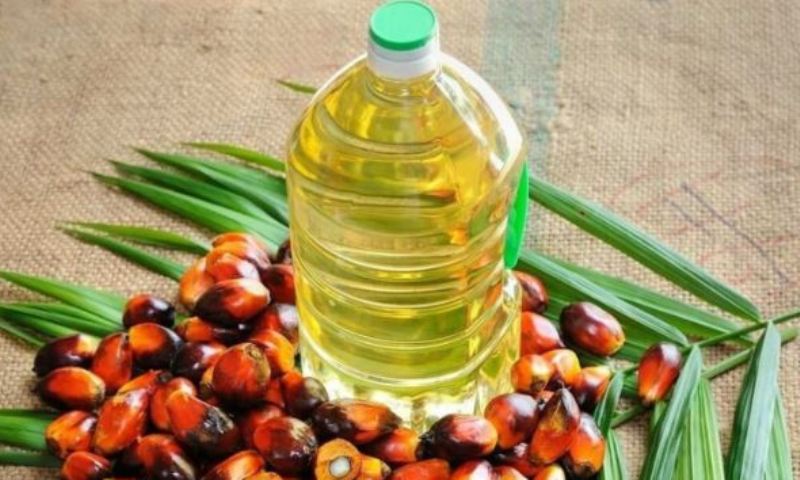
Indonesia, the world’s biggest producer and exporter of crude palm oil (CPO), sought a “predictable policy: on shipment of cooking oils to India.
“We both are big populous countries in the world and have large domestic markets to cater to. We need to have a predictable policy taking into consideration the supply and demand side issues,” Ina Hagniningtyas Krisnamurthi, Indonesia’s ambassador to India, said.
She said that there is a need for openness in understanding the stock management policies of both the governments and “we hope that predictable policies or certainty policies will not hamper the trade itself,”.
“With climate change being frequent occurrences, we also understand that Indian government will also impose certain policies while we also impose certain policies when it comes to weather and yield,” Krisnamurthi said referring imports duties imposed by India and export restrictions by Indonesia.
On May 30, India reduced the effective import duty including basic custom duty and cess on these three oils to 16.5% from 27.5% imposed in September last year to curb spike in prices.
Since May, 2025 Indonesia has increased export duties on CPO to 10% from 7.5% aimed at funding its biofuel programme and replanting initiative.
In April, 2022, Indonesia imposed a ban on palm oil exports, which had disrupted global supplies and pushed up cooking oils prices globally.
India imported the over 4.83 million tonne (MT), over 55% of its total crude and RBD palm oil imports from Indonesia during 2023 – 2024 oil year (November-October).
Total imports of cooking oils – mostly palm, soybean and sunflower including crude and refined oil in 2023-24 oil year was 15.96 MT valued at Rs 1.32 lakh crore.
However, during the 2024-25 oil year (November-May), India’s total vegetable oil imports declined by 9% to 7.88 MT compared to corresponding period a year earlier.
Krisnamurthi stressed that to meet domestic demand of the edible oil especially during festive months in Islamic calendars such as Ramadan and other festivals such as Christmas , the demand sees a spike leading to change in its policies.
“Indonesia truly hopes for a continuous conversation between two countries on predictable policies,” she said.
In 2025, Indonesia is projected to increase its palm oil production to 47 MT , with exports aiming for 25 million tonnes. Indonesia’s B40 biodiesel mandate – which blends 40% palm oil into diesel, diverts 2 MT of oil.
In 2024, Indonesia exported palm oil majorly to India, China, Pakistan, Bangladesh, the United States, and Egypt.
India imports about 58% of its edible consumption mostly from Indonesia, Malaysia, Thailand, Ukraine, Russia and Argentina. India produces oils such as mustard, soybean and groundnut.