
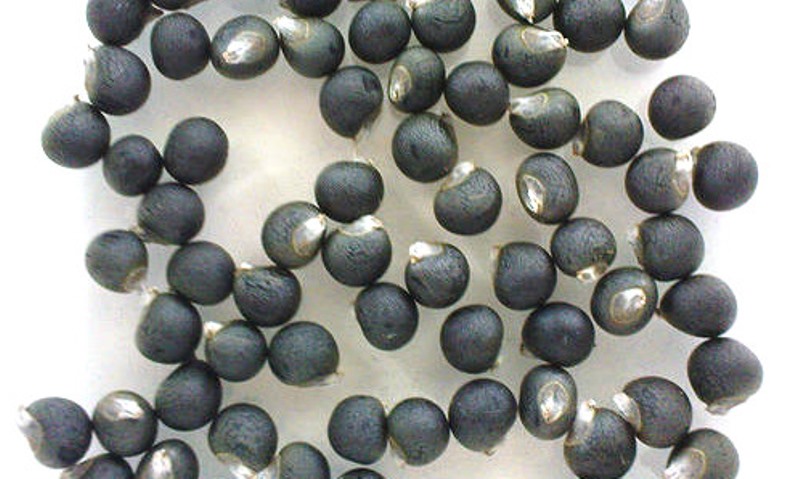
Israel has allowed the import of okra (lady’s finger) seeds from India, subject to strict phytosanitary conditions, including a mandatory declaration confirming the seeds are free from specified plant viruses.
The move opens new export opportunities for Indian seed producers, particularly as demand grows in international markets for high-quality vegetable seeds. However, Israeli authorities have stipulated that all consignments must be accompanied by an official certification verifying that the seeds are free from harmful viruses that could impact local agriculture.
The requirement is aimed at safeguarding Israel’s domestic farming sector from potential biosecurity risks. Plant viruses in seed material can significantly affect crop yields and quality, making stringent import checks essential for maintaining agricultural standards.
Exporters in India will need to comply with the updated guidelines, including enhanced testing, documentation, and inspection protocols before shipment. Industry stakeholders believe that while the additional compliance measures may increase procedural requirements, they also ensure credibility and long-term market access.
The development is expected to strengthen agricultural trade ties between India and Israel, with okra seeds emerging as a niche but promising segment in bilateral agri-exports.