
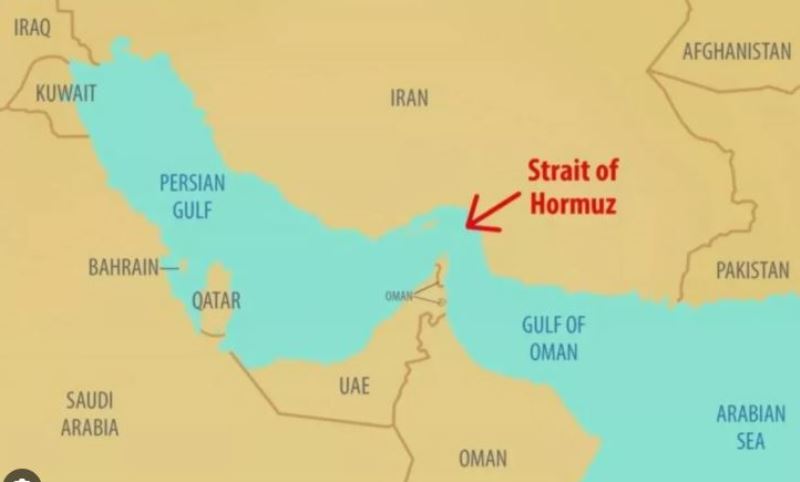
India and other major Asian oil-importing nations are expected to negotiate directly with Iran to secure safe passage for energy shipments through the Strait of Hormuz, but a full return to pre-conflict maritime traffic levels is unlikely in 2026, according to Moody’s latest global macro outlook quoted by PTI.
The international ratings agency said there is little likelihood of a swift and lasting settlement between the United States and Iran, making a complete reopening of the strategically vital waterway improbable in the near term. The Strait of Hormuz handles nearly one-fifth of global crude oil and liquefied natural gas trade, making it one of the world’s most critical maritime chokepoints.
Bilateral Transit Arrangements Likely to Shape Shipping Recovery
Moody’s noted that any improvement in shipping flows through the Strait is expected to emerge gradually through bilateral arrangements rather than a broad restoration of normal maritime access. The agency said countries such as India, China, Japan and South Korea are likely to negotiate passage directly with Iran, potentially using coordinated transit corridors near Larak Island and through Omani territorial waters.
According to Moody’s, these arrangements would allow only limited and incremental recovery from current near-zero shipping volumes and would remain vulnerable to further disruption.
Maritime traffic through the Strait has reportedly fallen by more than 90% from pre-conflict levels due to escalating security risks, soaring insurance premiums and the presence of sea mines. Brent crude prices have fluctuated sharply between USD 90 and USD 120 per barrel amid continued uncertainty.
Energy Prices Expected to Stay Elevated
Moody’s warned that even if safe passage resumes within the next six months, global oil markets are likely to remain supply-constrained. The agency expects Brent crude to remain largely in the USD 90–110 per barrel range throughout much of 2026, with periodic spikes depending on geopolitical developments.
The ratings agency said sustained high energy prices could reduce real GDP growth by 0.2 to 0.8 percentage points across several major economies while complicating monetary policy and increasing production costs globally.
India Faces Higher Exposure to West Asia Risks
India remains among the more vulnerable economies due to its heavy dependence on imported crude oil, particularly from West Asia. Moody’s said around 46% of India’s crude imports originate from the Middle East, exposing the country to higher landed energy costs, currency pressures, current account strain and fiscal management challenges.
In its May Global Macro Outlook, Moody’s lowered India’s 2026 GDP growth forecast by 0.8 percentage points to 6% and raised its inflation estimate by 1 percentage point to 4.5%, citing higher energy prices and broader supply disruptions.
The report comes amid ongoing concerns over Indian shipping exposure in the region. According to recent remarks by Ministry of External Affairs spokesperson Randhir Jaiswal, 13 India-flagged vessels were stranded in the Strait of Hormuz earlier this month.
While India has moved to strengthen its energy security through new agreements with the UAE, global volatility and continued disruptions in Gulf shipping routes are expected to keep pressure on the Indian economy and international energy markets through the remainder of 2026.