
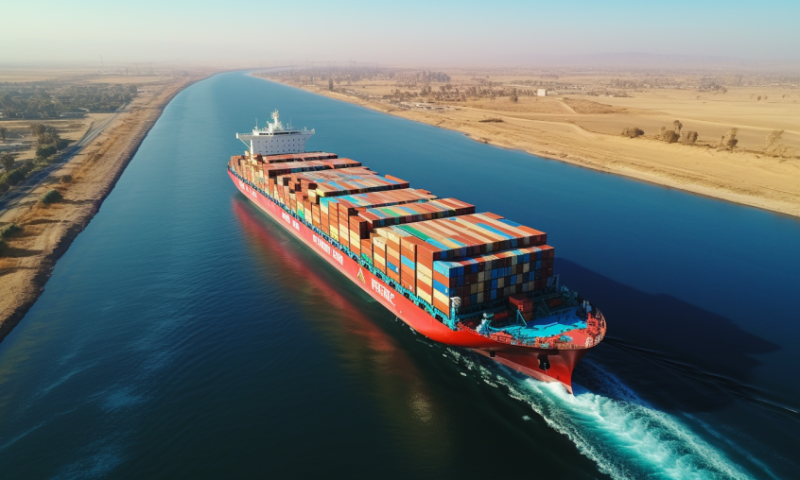
The Suez Canal Authority has withdrawn its 15% rebate for large container vessels, a move expected to impact shipping costs and routing decisions for major carriers operating through the strategic waterway.
The discount, which had been introduced to attract large boxships amid shifting global trade patterns and competition from alternative routes, is now being discontinued as traffic conditions and operational priorities evolve.
Industry sources said the removal of the incentive could increase transit costs for ultra-large container vessels, potentially prompting some shipping lines to reassess route planning, including diversions around the Cape of Good Hope where feasible.
The Suez Canal remains a critical artery for global trade, linking Asia and Europe and handling a significant share of container traffic. However, recent geopolitical tensions and security concerns in the Red Sea region have already affected vessel movements and transit volumes.
Analysts noted that the decision may reflect improving demand for canal transits or a strategic shift to balance revenue generation with traffic management. At the same time, higher toll costs could add pressure on carriers already navigating volatile freight markets.
Shipping companies are expected to closely monitor the cost implications of the rebate withdrawal, as well as broader developments in the region that could influence transit choices and operational efficiency.
The move underscores the ongoing adjustments by canal authorities and shipping stakeholders as they respond to a rapidly changing global maritime landscape.