
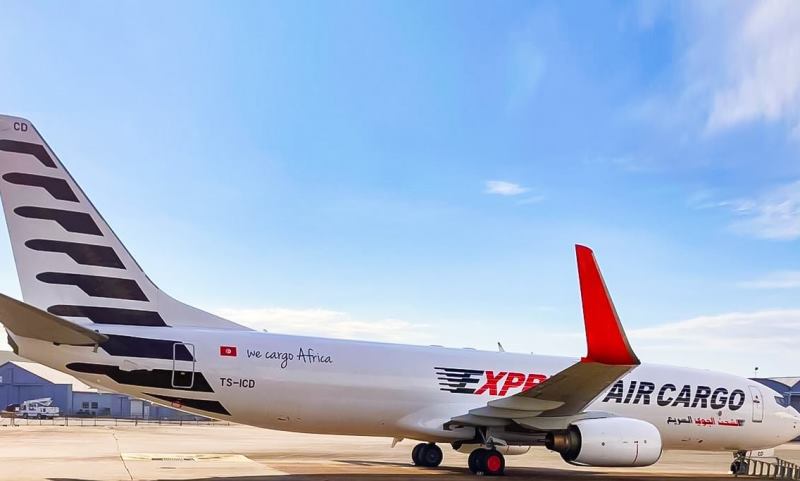
Tunisia-based Express Air Cargo has been instructed to return several aircraft engines to their lessors following a contractual dispute, adding fresh operational pressure on the regional cargo carrier. The decision comes after engine leasing companies alleged breaches of lease terms, including delayed payments and non-compliance with agreed maintenance and redelivery conditions.
According to industry sources, the engines in question are critical powerplants used on Express Air Cargo’s narrowbody freighter fleet, which supports regional and intercontinental cargo services linking North Africa with Europe, the Middle East and parts of Africa. The forced return of the engines is expected to disrupt flight schedules and could temporarily ground some aircraft unless replacement engines are sourced quickly.
Lessors are increasingly enforcing strict contractual rights amid heightened financial scrutiny across the aviation sector, particularly among smaller and mid-sized cargo operators facing softer demand, rising operating costs and tighter financing conditions. Engine leasing agreements typically include clauses allowing lessors to repossess assets in the event of payment defaults or failure to meet technical and maintenance obligations.
For Express Air Cargo, the development underscores the challenges faced by cargo airlines operating in volatile market conditions, where yields have normalised after the pandemic boom while costs for fuel, maintenance and leasing remain elevated. Industry observers note that securing alternative engines at short notice could prove expensive, given limited availability and long lead times for overhauled powerplants.
The airline has not publicly detailed how many engines are affected or whether discussions with lessors are ongoing to renegotiate terms. However, any prolonged disruption could impact customers relying on the carrier for time-sensitive freight, including express parcels and specialised cargo.
The situation highlights broader risks in the air cargo sector, where leasing companies are adopting a more cautious stance and insisting on tighter compliance, even as operators grapple with uneven recovery and intensified competition.