
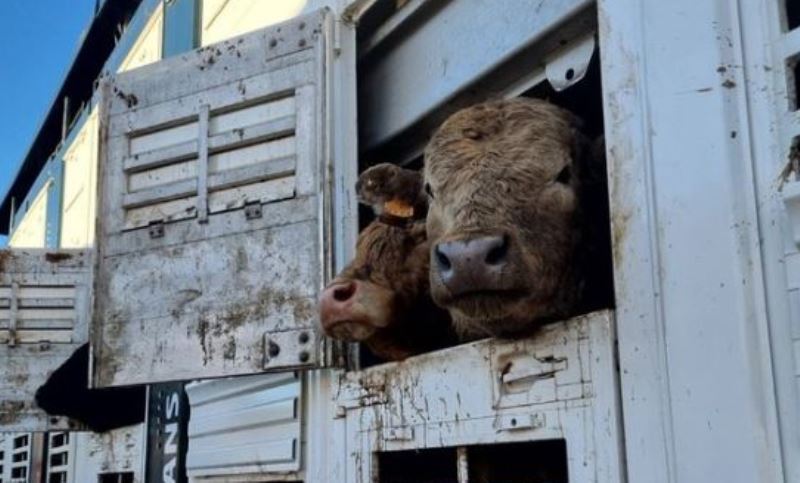
Escalating tensions involving the United States, Israel and Iran are beginning to weigh on India’s livestock sector, with exporters and industry groups warning of disruptions to shipments and rising production costs.
Industry representatives say the conflict has increased uncertainty across key shipping routes in West Asia, a major destination for Indian animal product exports such as buffalo meat, eggs and poultry feed products. The Middle East and North Africa (MENA) region accounts for a large share of India’s livestock exports, valued at roughly $2.3–$2.5 billion annually.
Exporters warn that escalating geopolitical tensions are pushing up freight rates, fuel prices and marine insurance premiums, which could squeeze margins and slow down shipments to major buyers including United Arab Emirates and Saudi Arabia—two of the largest markets for Indian halal buffalo meat.
India’s buffalo meat trade, which accounts for more than 80% of the country’s animal product exports, is particularly exposed to Gulf demand. Any disruption to maritime logistics or port operations in the region could lead to shipment delays and contract uncertainties for exporters.
The poultry sector has already begun feeling the strain. In Namakkal—one of India’s largest egg production centers—exports to Gulf markets have been disrupted, leading to an estimated daily loss of around ₹5 crore for exporters due to halted shipments and falling domestic prices.
Apart from export challenges, rising input costs are also emerging as a concern. Higher global energy prices triggered by the conflict are increasing feed, transport and cold-chain logistics expenses for livestock producers, putting additional pressure on farm profitability.
Trade experts warn that if the geopolitical crisis persists, India’s livestock industry could face a dual challenge—slower export demand from West Asian markets and higher operating costs at home. Industry bodies have urged the government to closely monitor developments and consider support measures for exporters and farmers should the disruption continue.