
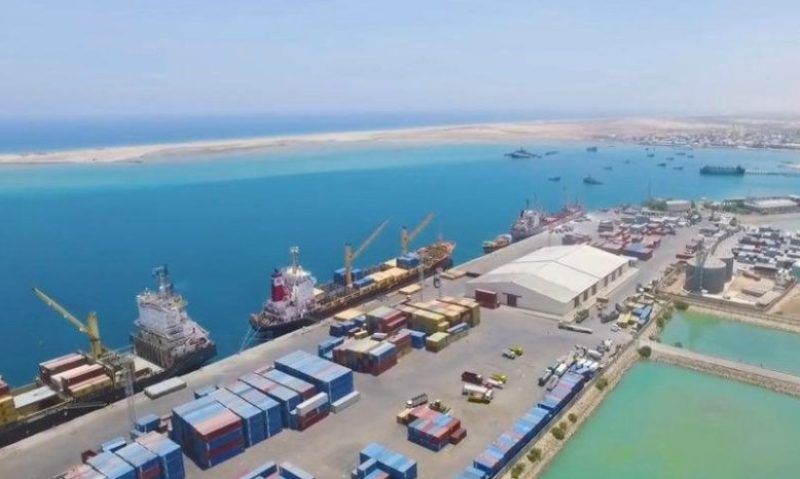
Somaliland is grappling with a worsening import crisis even as activity surges at the Port of Berbera, highlighting a growing disconnect between infrastructure growth and on-ground trade realities.
Despite significant investments and rising vessel calls at Berbera, importers across Somaliland are facing mounting challenges, including foreign currency shortages, high logistics costs, and limited access to trade financing. These factors have constrained the flow of essential goods into the region, affecting both businesses and consumers.
Traders report delays in clearing cargo and difficulties in securing dollars for international transactions, which have slowed import volumes despite improved port capacity. The situation has been further exacerbated by global supply chain disruptions and elevated freight rates, making imports more expensive and less predictable.
The expansion of Berbera port—positioned as a key logistics gateway in the Horn of Africa—has boosted handling capabilities and regional connectivity. However, industry observers note that infrastructure gains alone are insufficient without parallel improvements in financial systems, trade facilitation, and currency stability.
Small and medium-sized enterprises are among the hardest hit, as they struggle to absorb rising costs and maintain inventory levels. Some importers have scaled back orders or shifted sourcing strategies to manage the volatile operating environment.
Authorities are under pressure to address the underlying economic constraints, including improving access to foreign exchange and easing trade processes, to fully leverage the benefits of Berbera’s growth.
While the port’s long-term prospects remain strong, the current import crisis underscores the need for a more integrated approach to trade development, ensuring that infrastructure expansion translates into tangible economic gains.