
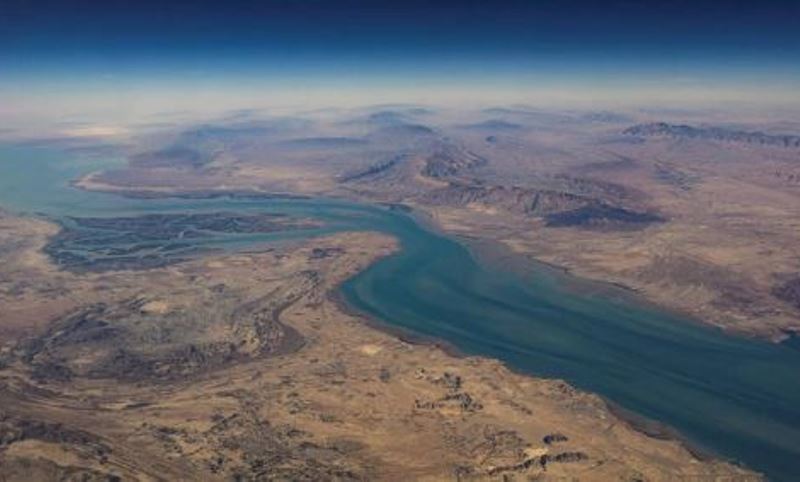
India has raised concerns over Iran’s new measures to regulate shipping movements through the Strait of Hormuz, warning that any disruption to maritime traffic could impact global trade flows and energy security.
Indian officials said the free and safe movement of commercial vessels through international waterways remains critical for the global economy, especially as the Strait of Hormuz handles a significant share of the world’s crude oil, LNG and container traffic.
The concerns come after Tehran announced plans to introduce a new mechanism to manage maritime traffic through the strategic waterway amid heightened regional tensions. Reports indicate that ships transiting the strait may be required to coordinate more closely with Iranian naval authorities under revised procedures.
India, which depends heavily on energy imports routed through the Gulf region, has been closely monitoring developments in the Strait of Hormuz. The government has also issued advisories to shipping companies and vessel operators to exercise heightened caution while navigating the region due to rising security risks and navigation disruptions.
Shipping industry analysts said any tightening of transit controls or escalation in tensions could increase freight costs, insurance premiums and delivery delays for cargo moving between Asia, Europe and the Middle East. The Strait of Hormuz remains one of the world’s most strategically important maritime chokepoints for global energy and trade flows.