
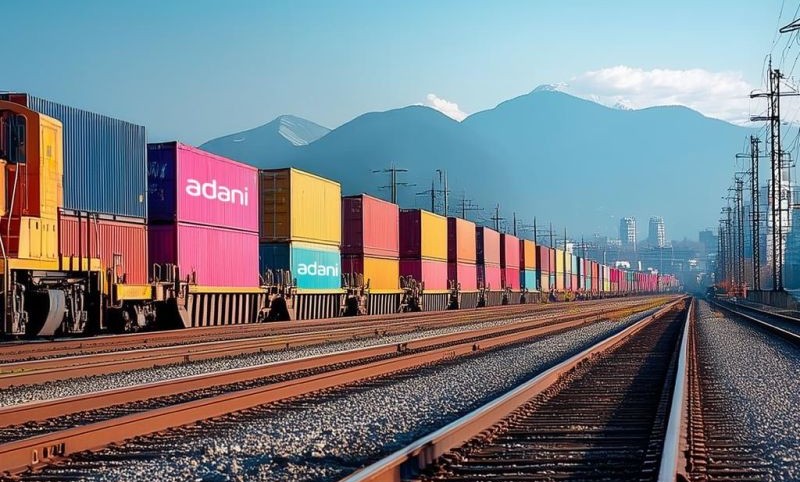
The Association of Container Train Operators (ACTO) has raised serious concerns over the escalating impact of the ongoing Middle East geopolitical crisis on India’s EXIM and domestic container trade, urging immediate intervention from key government authorities including Indian Railways and the Ministry of Ports, Shipping and Waterways.
In a fresh communication addressed to the Department for Promotion of Industry and Internal Trade (Logistics Division), ACTO highlighted that the disruptions triggered by instability in the Gulf region have led to a sharp decline in cargo volumes and a surge in operational inefficiencies across the container logistics ecosystem.
According to ACTO, EXIM volumes have dropped by nearly 40% in March, while domestic cargo movement—particularly in sectors such as steel and tiles dependent on imported raw materials—has declined by around 10% and continues to worsen.
The industry body pointed out a significant rise in idle assets, with over 50 container train rakes currently stabled due to lack of cargo, compared to the usual 4–5 rakes. Additionally, empty wagon movements have surged to 15–20%, far above the typical 5%, increasing operational costs for logistics operators.
ACTO has urged Indian Railways to provide immediate relief by waiving stabling charges and haulage costs for empty wagons. It has also called for directives to extend ground rent waivers—already implemented at Jawaharlal Nehru Port Authority (JNPA)—to private and state-run ports such as Mundra and Pipavav.
Further, ACTO has advocated for the declaration of a “Force Majeure” situation across ports and shipping lines to help logistics providers and cargo owners mitigate financial risks and enable insurance claims under existing contracts.
While acknowledging steps taken by government agencies—including customs relief for export returns, advisory from the Directorate General of Shipping on pricing transparency, and JNPA’s waiver of ground rent—ACTO emphasized that more coordinated action is needed to stabilize the sector.
The association warned that without timely intervention, the coming weeks could see further disruptions, potentially increasing costs across the supply chain and impacting India’s trade competitiveness.